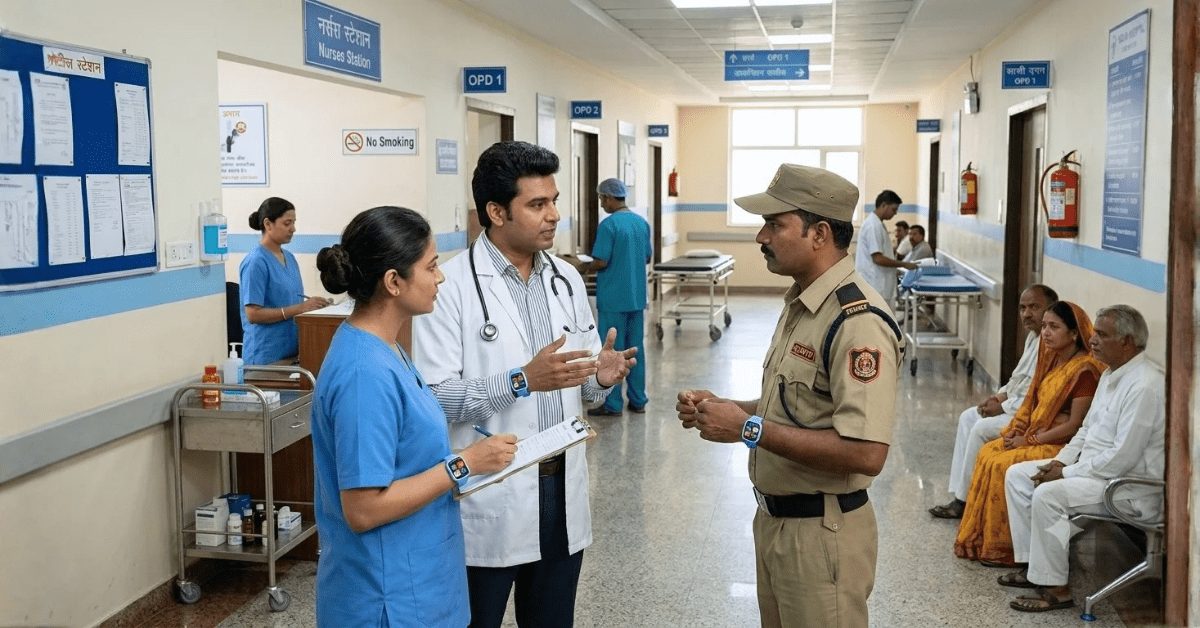
In a hospital things can change in a matter of seconds. A nurse might need help from other staff or a doctor when dealing with a patient, while a security team may need to quickly coordinate with colleagues when responding to an incident. At the same time other staff members are busy with their own responsibilities.
In all of this, one thing matters a lot how quickly the right information reaches the right person. This is the only reason communication and coordination are such an important part of patient safety.
Every year 17th September is observed as World Patient Safety Day, with the World Health Organization calling for greater action and collaboration to improve patient safety. The day brings together patients and healthcare leaders around the common goal of making healthcare safe.
But patient safety is not just what happens in the operating room or during a consultation. It is also about what happens between departments and during emergencies.
The everyday communication challenges inside a hospital
Think about a large hospital for a moment. There might be hundreds of hospital staff working across different floors and entrances. Nurses are also constantly moving. Security staff might be spread across the premises and administrators need to keep track of attendance and staffing.
Now imagine someone needing urgent help. The first challenge is how do you reach the right person quickly? Calling a personal phone might not always be practical. Your hospital staff might not hear it or might even be busy attending to another person.
In a large hospital finding a particular staff member can take a lot of time. This might sound like a small operational issue, but during an emergency those extra minutes can matter.
This is why hospitals globally are looking at ways to keep their team better connected without adding another complicated system to their daily routine.
How can smart wearables help hospital teams?
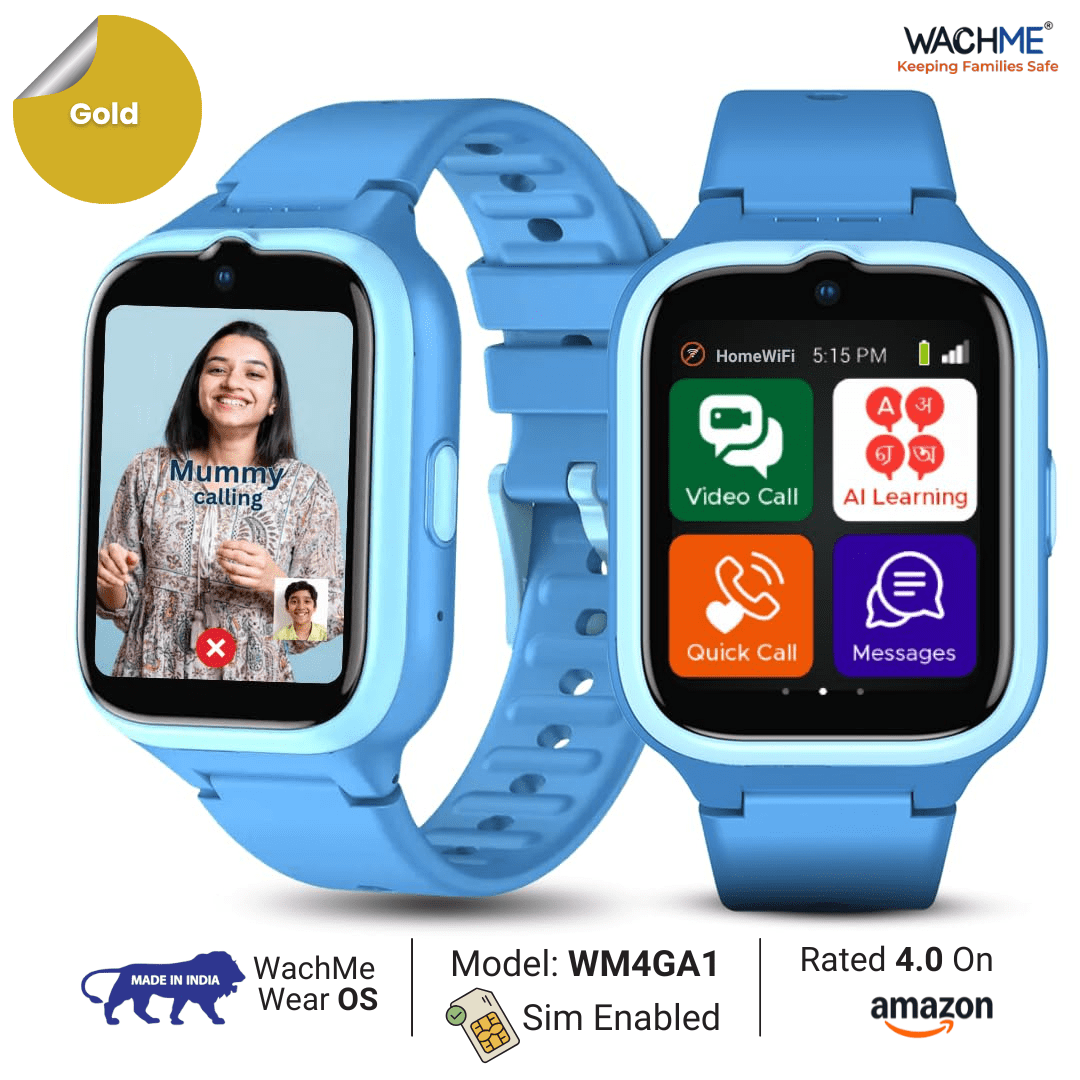
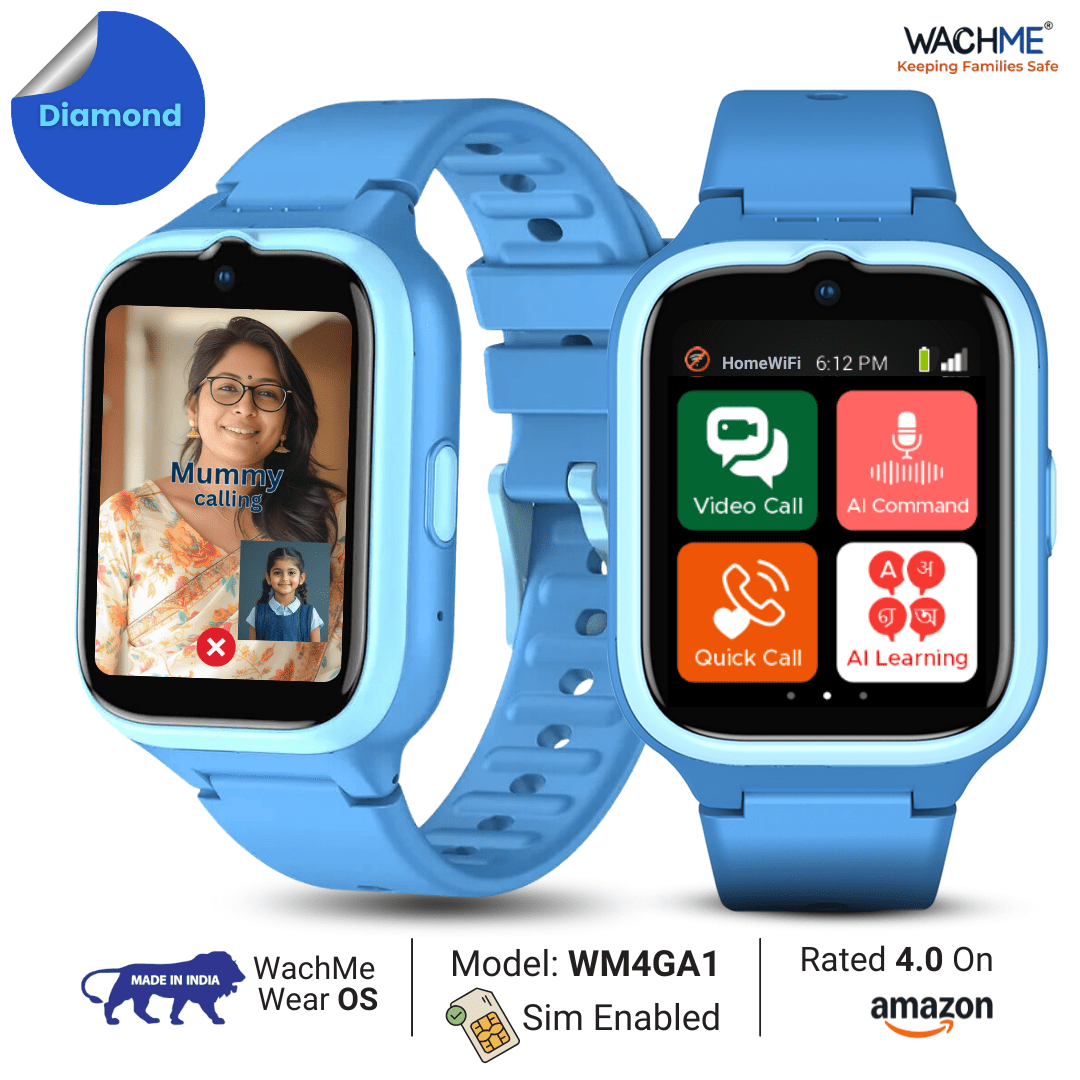
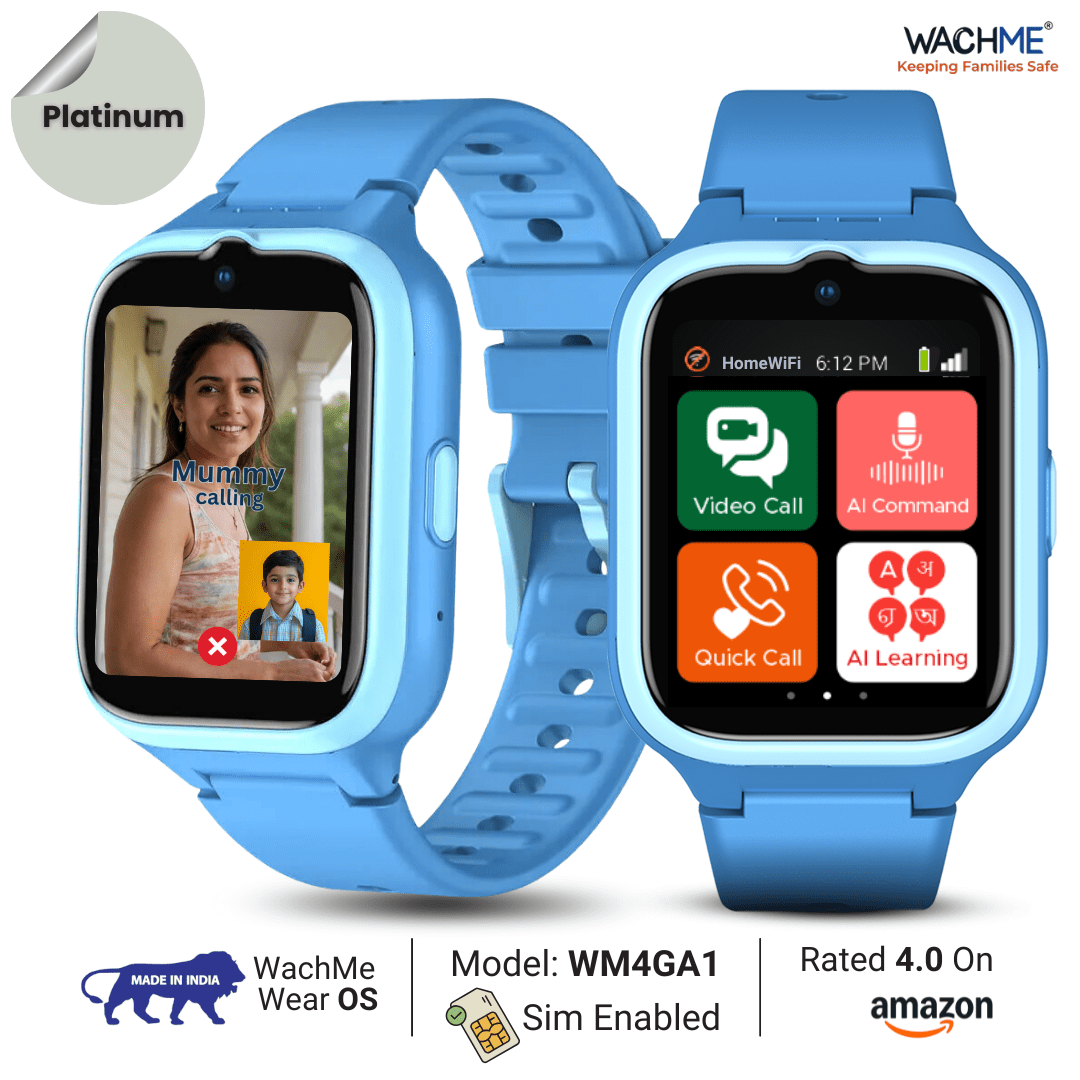
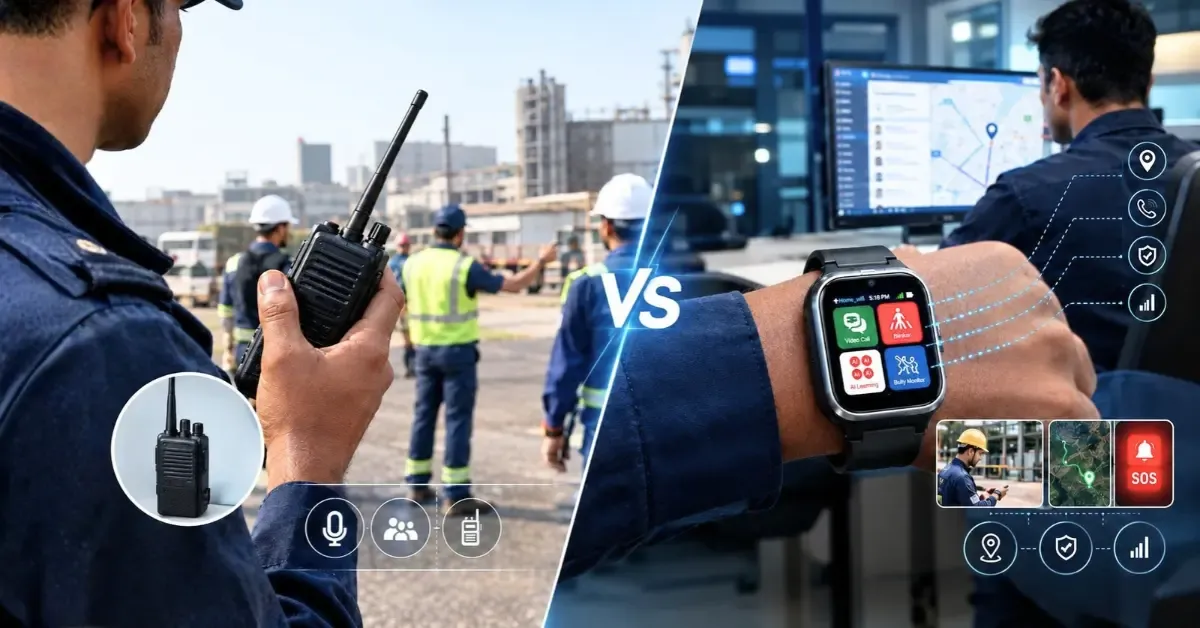
A smartwatch can seem like a very simple device, but when it is designed specifically for institutional care, it can do much more than just show notifications. WachMe smartwatch is designed for organizations like hospitals where staff need communication, location visibility and emergency support while continuing with their regular work.
Instead of expecting every hospital staff to constantly check their phone, important information can reach them directly through the smartwatch. And because WachMe also works with institutional organisations, you can explore a solution customised based on your team’s requirements rather than just treating it like a standard consumer watch.
Keeping track of staff when it matters
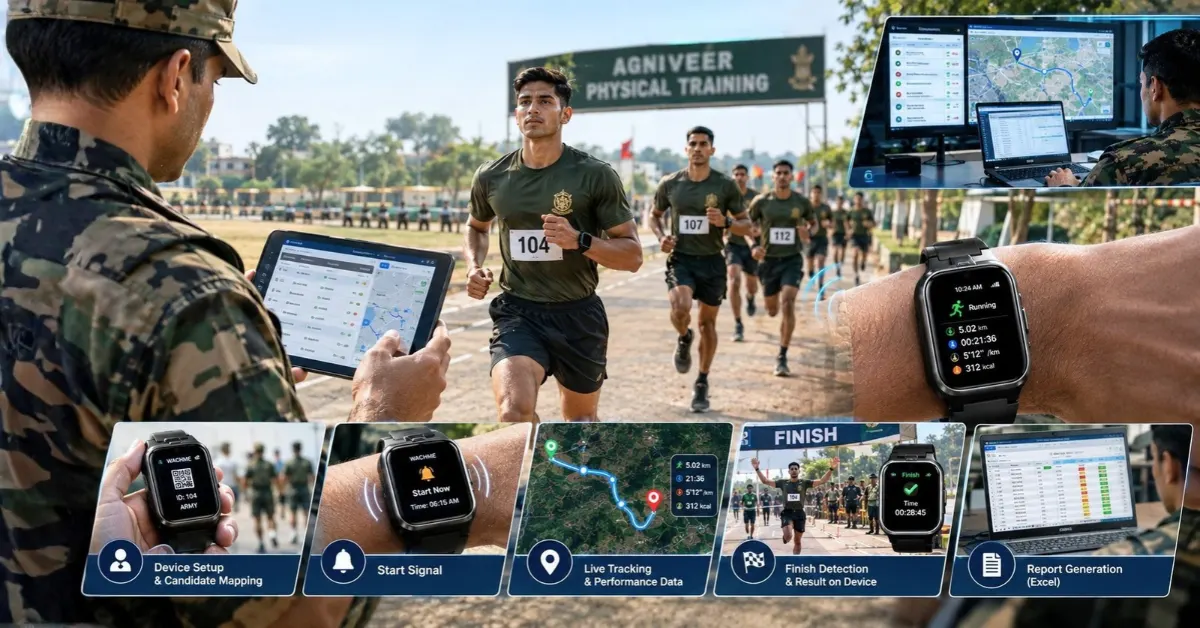
One of the biggest challenges in a large hospital is simply knowing where your team members are. WachMe supports staff location tracking using technologies like Wi-Fi, GPS, and LBS. This can help you maintain better visibility of your workforce across different areas.
Just imagine a nurse moving between different wards or a security officer working somewhere across the hospital campus. Instead of repeatedly calling to check their location, the organisation can have better visibility of staff movements through the system.
Emergency alerts without reaching for a phone
In an emergency, staff need a quick way to send an alert. WachMe includes an SOS alert feature that can be used to send an emergency alert to designated contacts. Depending on the setup, alerts can include communication options such as calls, SMS and app notifications, along with location information.
This can be useful for staff who might find themselves in an uncomfortable and unsafe situation while working. For example, if a staff member needs immediate assistance, an alert can help notify the appropriate people without requiring them to take a long phone call or explain what is happening.
Helping nurses stay connected while they work
Hospital staff rarely have the luxury of sitting at a desk or checking messages at the hospital. Nurses especially spend much of their time moving between patients and handling different responsibilities. Their hands might be occupied and constantly checking a smartphone is simply not convenient. This is exactly where hands-free communication can be very useful.
WachMe supports voice and text-based communication including converting text messages into speech. This means staff can receive important information without having to stop everything that they are doing to check a phone. The idea is not to replace human communication; it is just to make communication easier when people are already busy.
Different teams have different needs
A nurse does not need the same information as a security officer. This is the exact reason why WachMe can support role-based configurations for different teams within the organization. For example, nurses might need task alerts and communication. Security teams might need location visibility and emergency communication. A safer hospital starts with better connected teams
Schedule WachMe Demo at Your Facility
Every hospital has its own workflow and challenges so the best way to understand the possibilities is to see the solution in action. Our team will come to your organization and give you a live demo of WachMe. We can walk your team through the smartwatch, explain the features and discuss how it can be adapted to your hospital.
Conclusion
Patient safety is everyone’s responsibility. Doctors, nurses, security staff and administrators all play a very important role. When these teams can communicate easily and know where support is needed, everyday hospital operations can become more coordinated. Sometimes it’s about making sure that when someone needs help, the message reaches the right person at the right time with wearable technology.
FAQs
What can a wearable device do for hospitals?
A wearable device can help hospitals improve staff communication, enable location tracking and support faster coordination between teams. It can help healthcare staff stay connected while moving between wards, departments and other areas of the hospital.
Can WachMe track hospital staff?
Yes, WachMe supports location tracking through technologies like Wi-Fi and GPS, helping organizations maintain better visibility of staff across areas.
Can different hospital teams use wearable devices differently?
Yes, WachMe can support role-based configurations allowing hospitals to set up relevant functions for different teams like nurses and security staff.
Does WachMe have an emergency or SOS feature?
Yes, WachMe includes an SOS alert feature that can notify designated contacts through available communication channels.
Can WachMe be demonstrated at our hospital?
Yes, WachMe works with institutional organizations and our team can visit your organization to provide a demo.