Airports have several additional security requirements on site beyond monitoring entrances and
screening passengers. Airport organisations also need visibility of where their staff are, maintain
controlled communications and ensure prompt help during emergencies. Connected wearable
devices can provide this by allowing management to monitor their authorised personnel working
within the airport’s existing security protocols.
Major Airport Security and Restricted-Zone Management Challenges
1. Limited Visibility into Personnel Movement
Airport ground staff and contractors move around between terminals, baggage areas and
maintenance areas. Supervisors can find it difficult to know staff locations, their last known location
and coordinate help for them over a large premises.
2. Monitoring Unauthorised Movement
Staff and contractors have varying operational requirements. Monitoring staff outside of their
designated areas can be difficult, especially if they work in a number of locations around the site or
during temporary assignments within airport premises.
3. Security Monitoring Gaps Across Airport Locations
The airport has many different areas such as enclosed terminals, underground areas and outdoor
operational zones. With different roles and positions, this can cause location blind spots and make it
more challenging to monitor staff consistently.
4. Delayed Assistance During Security Emergencies
Staff working in remote areas of operations may be involved in accidents or incidents. Delays in
reporting incidents and sharing employee locations may make it harder for designated teams to
provide assistance.
5. Unmanaged Employee Communication Devices
Personal smartphones may give access to uncontrolled application usage in sensitive zones. This
could cause problems for an organisation in controlling communications within the organisation due
to the lack of control over devices.
Why Traditional Airport Security Systems May Not Provide Complete Workforce Visibility
CCTV Surveillance
While CCTV provides a way for security teams to monitor key areas of the airport such as entrances,
corridors and specific operational areas, cameras need to be set up to ensure coverage. They do not
automatically identify where staff are or allow direct communication.
RFID and Access-Control Systems
RFID cards and biometric scanners can be used to confirm that an authorised user is entering a set
access point. However, these do not necessarily give a full picture of the individual’s movements
between points. Access control is for granting people access while monitoring their location is for
different purposes.
Conventional Radios and Smartphones
Radios and smartphones provide communication between teams in the airport however, they might
not have tracking capability. Personal devices can cause issues with managing applications and will
give limited visibility of the workforce.
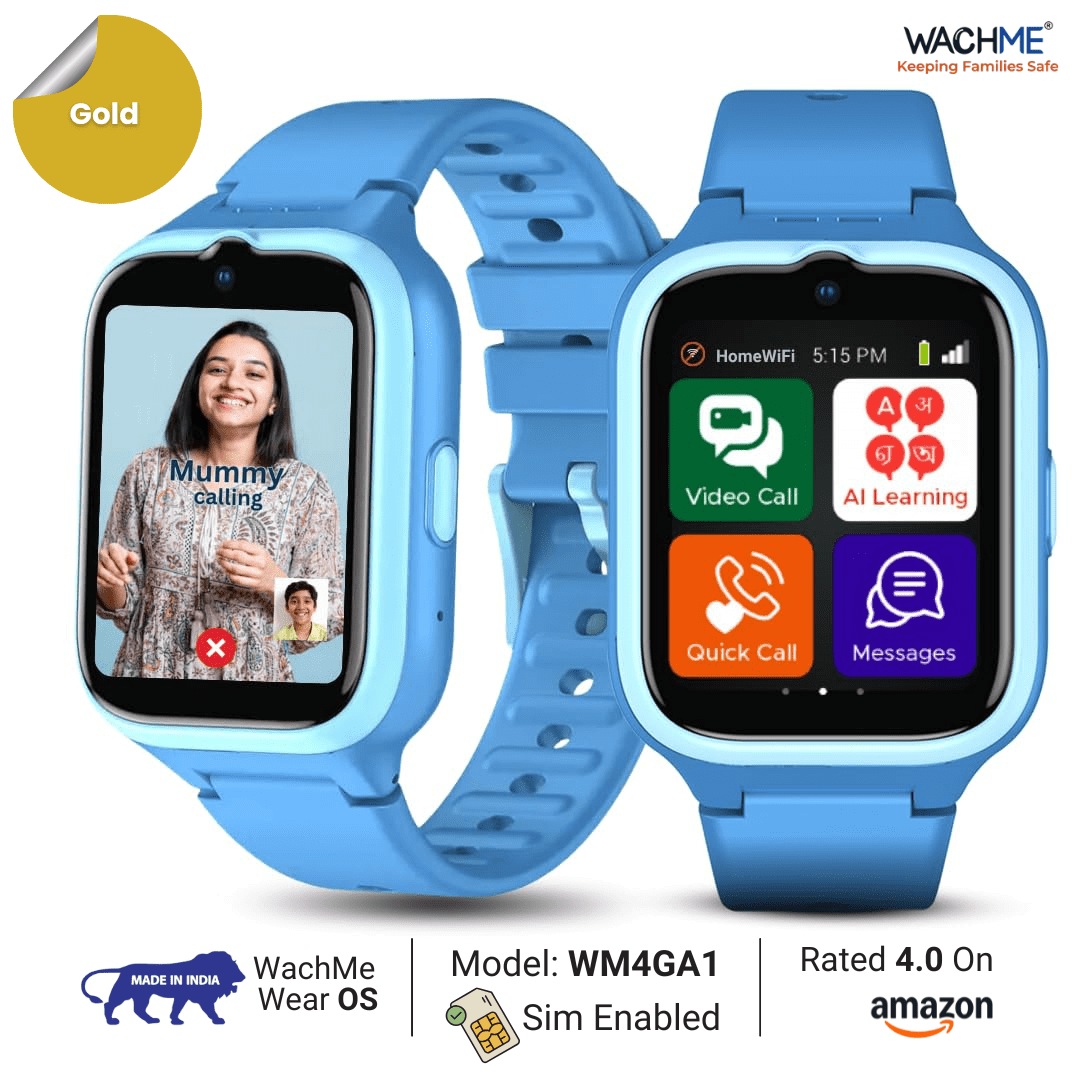
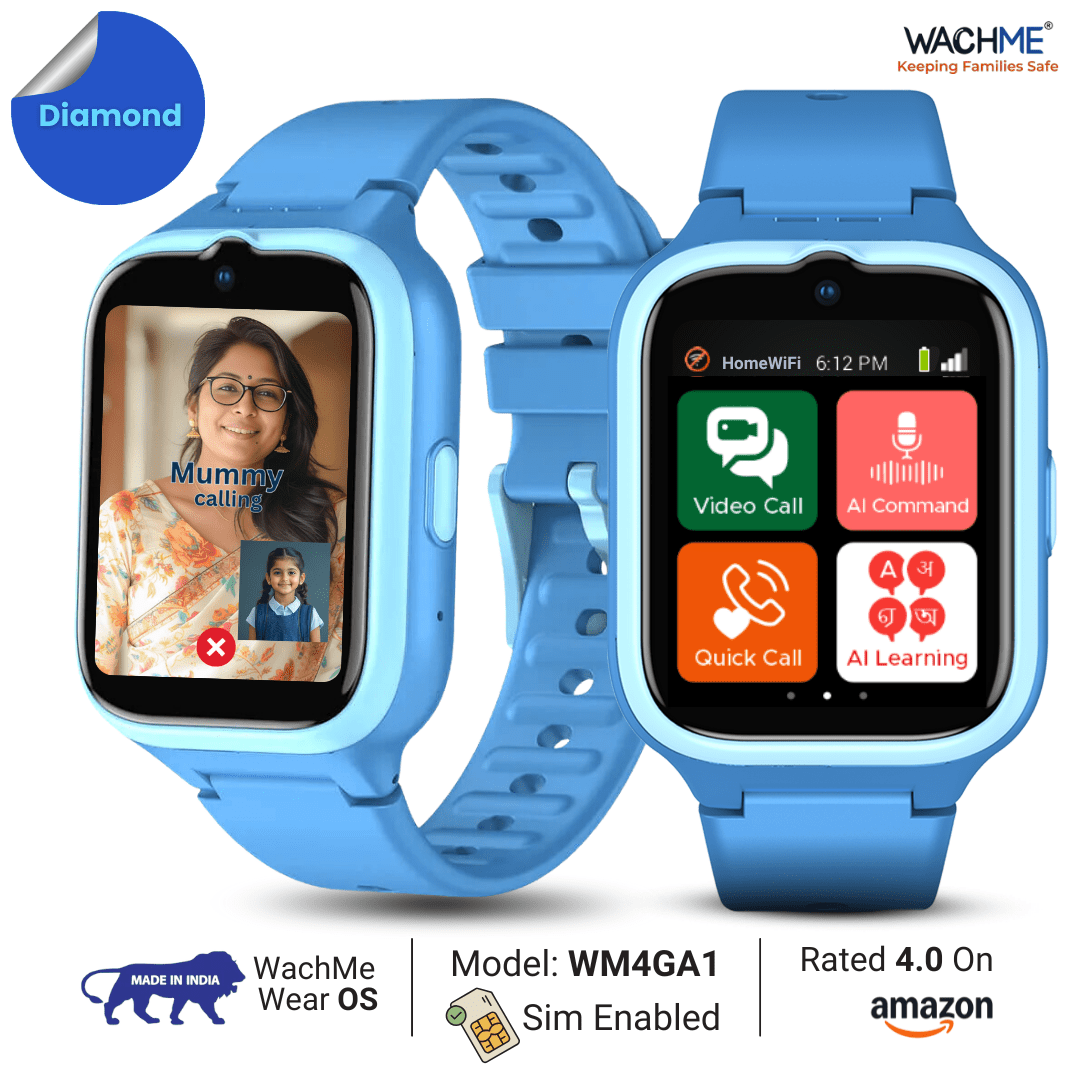
WachMe: A Connected Wearable for Airport Security and Restricted-Zone Management
WachMe is an enterprise wearable technology platform developed by Inogus Technology Solutions
Pvt. Ltd. It is designed to support organisations that need better workforce visibility, workplace
communication and employee safety.
For airport contractors and operational teams, such technology can provide an additional layer of
workforce monitoring alongside established security procedures. WachMe combines a wearable
device, its proprietary WachMe Wear-OS and the WachMeController Android application.
The system provides an integrated solution that connects staff with authorised administrators in a
managed environment using workplace technologies. It will not replace passenger screening, facility
access, or any other specialist aviation security system for managing airfield staff.
How WachMe Supports Airport Restricted-Zone Monitoring and Workforce Security
Indoor and Outdoor Location Tracking for Airport Personnel
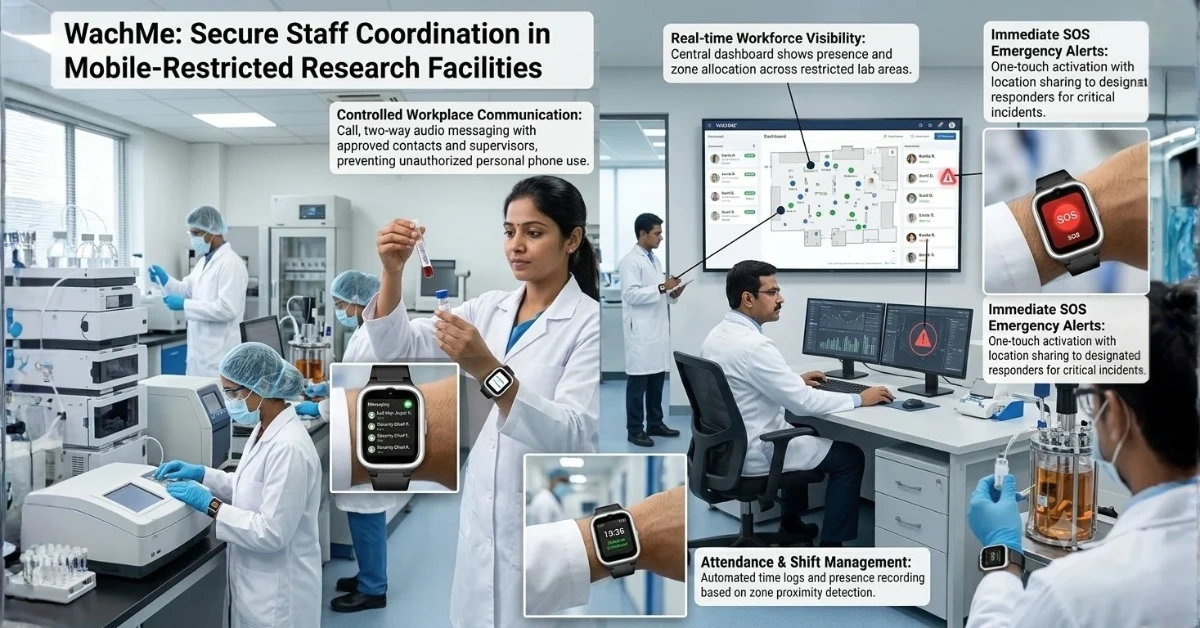
Airport administrators require an overview of where staff are located throughout areas including
terminals, operational buildings and outdoor facilities. WachMe combines Wi-Fi-based indoor
positioning with GPS and LBS-based outdoor tracking. Through WachMeController, authorised
administrators can review available live and last known location information, alongside employee
IDs and the staff directory.
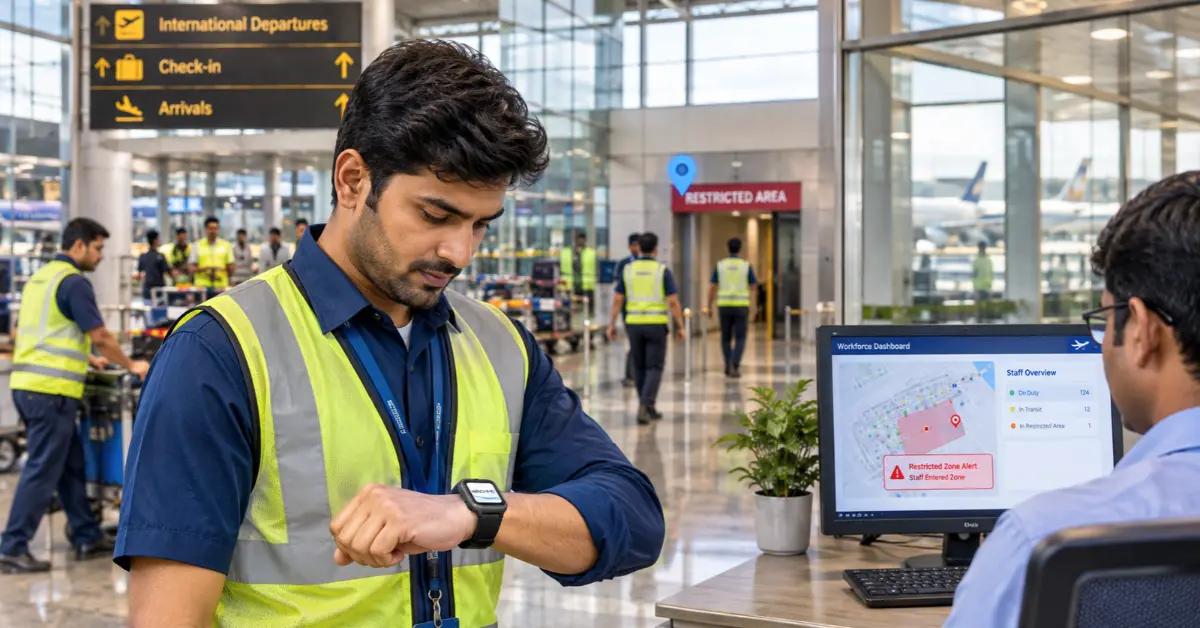
Restricted-Zone Alerts for Location-Based Personnel Monitoring
It is important for airport organisations to identify when their staff enter or exit defined restricted
zones. WachMe supports location-based notifications linked to its tracking functionality. Admins can
set specific zones and will be notified when someone wearing a wearable enters these zones, subject
to positioning accuracy and configuration.
Employer-Controlled Communication for Airport Security Personnel
Airport security supervisors need reliable ways to communicate with authorised operational
personnel. WachMe allows approved-number calling and messaging, two-way voice messaging, text-
to-speech conversion and broadcast communication. Employees can receive audio confirmation of
alerts to help them identify any instructions given to them while performing their operations.
SOS Emergency Assistance for Airport Personnel
Airport employees may work in isolated locations or areas with limited immediate supervisory
support. WachMe provides a dedicated SOS button that allows employees to request assistance. Its
emergency notification capabilities include location sharing, SMS and call alerts, application
notifications and designated emergency contacts.
Data Security Mode for Controlled Airport Workplace Communication
Airport organisations may want to restrict the usage of personal devices in the workplace. WachMe’s
Data Security Mode supports employer-controlled device settings. This includes limiting
communication with approved numbers, restricting access to social media and unsuitable
applications along with a two-pin charging system that stops access to folders while connected to a
computer.
Centralised Workforce Monitoring Through WachMeController
When managing ground staff at multiple locations, administrators require access to workforce data.
WachMeController is the Android management application connected to the wearable platform.
This allows administrators to view staff directories, employee IDs, location data, alerts and
workforce reports.
Benefits of Connected Wearables for Airport Security
Improved Visibility of Authorised Personnel
Available location information helps supervisors understand where assigned employees are
operating across supported airport locations, improving workforce visibility.
Better Awareness of Restricted-Zone Movement
Configured location alerts can be set up to give more information on employee movements within
set boundaries so that supervisors can investigate any potential movement concerns.
More Controlled Workplace Communication
Approved communication contacts and employer-managed devices help organisations establish
consistent workplace communication policies across designated airport personnel.
Additional Emergency Communication Support
SOS alerts and location sharing give staff another method to call for emergency support and notify
designated contacts during emergencies.
Centralised Workforce Information
Staff directories, locations and alerts within a single management application make it easier for
administrators to access relevant staff information.
Book a WachMe Wearable Tech Demo at Your Airport
Want to see WachMe in action? Book a demo and our team will visit your site, set up sample devices
and show you the wearable and WachMeController at work. Contact us today to arrange a time that
suits your operation. Bring your questions about coverage, devices and setup.
Conclusion
Airport security requires more than controlling entry into restricted facilities. Organisations also
need appropriate visibility into authorised personnel, their movement and their ability to
communicate during incidents. Connected wearables like WachMe provide an additional layer of
workforce monitoring. It brings location tracking, restricted-zone notifications, controlled
communication and emergency assistance together to complement existing airport security
infrastructure.
Frequently Asked Questions
1. Can WachMe replace existing airport access-control systems?
No, WachMe can be used alongside access control systems to locate staff and provide alerts within
restricted areas. It does not grant or revoke physical access permissions.
2. Can WachMe monitor employees inside airport terminals?
Yes, WachMe provides Wi-Fi-based indoor positioning. But actual coverage and accuracy depend on
the airport’s infrastructure and deployment configuration.
3. How can WachMe help airport contractors?
WachMe gives visibility of where staff are located, enables management of communication within
the workplace and provides extra support in case of emergencies.
4. Does WachMe provide alerts when employees enter restricted areas?
Yes, WachMe can be set up to raise alerts if staff enter restricted areas. This depends on location
accuracy. It does not stop them from entering but can be used to alert or keep a record.
5. What should airports evaluate before adopting WachMe?
The airport management should consider the accuracy of location, network coverage, device
suitability, employee privacy and integration with current security protocols.