Biotechnology facilities require coordination of staff, controlled communication and adequate safety protocols in the workplace. Employees in biotechnology operations work in specialized research laboratories and biopharmaceutical production plants, where their personal smartphones might not be convenient for use or may be prohibited in some cases. An alternative method that can coordinate teams and allow employer-controlled communication is through the use of employer-managed wearables such as WachMe.
Biotech Facilities: Environments and Workforce Management Challenges
Biotechnology facilities deal with biological samples, cell cultures, chemicals, and specialised production procedures. The operations that take place in these facilities include cleanrooms, controlled laboratories, quality testing areas and manufacturing zones, among others
Management of staff tends to become complicated when there is working of technicians, researchers, production personnel and maintenance staff work in different zones and shifts. Managers have to synchronise the responsibilities, keep proper attendance records and provide employees with assistance when needed. At the same time, it is necessary to monitor staff movements and sanitary conditions without affecting the sensitive activities.
Why Biotech Facilities Need Alternatives to Personal Smartphones
Personal smartphones used by employees can be quite challenging in biotech laboratories. Firstly, there are some facilities where smartphones are restricted in certain zones due to the possibility of taking unauthorized pictures, data exposure or contamination. Also, some labs make it challenging to use a smartphone because employees wear protective clothing or operate specialised equipment.
Nevertheless, limiting smartphones cannot solve the problem of communication in the workplace. Supervisors still require the ability to communicate instructions and coordinate the employees.
A dedicated workplace wearable can offer controlled communication without forcing employees to use their own unrestricted personal wearables. Its suitability is determined by the facility’s policies, hygiene, and technical environment at the worksite.
WachMe: A Smarter Approach to Staff Coordination Without Smartphones
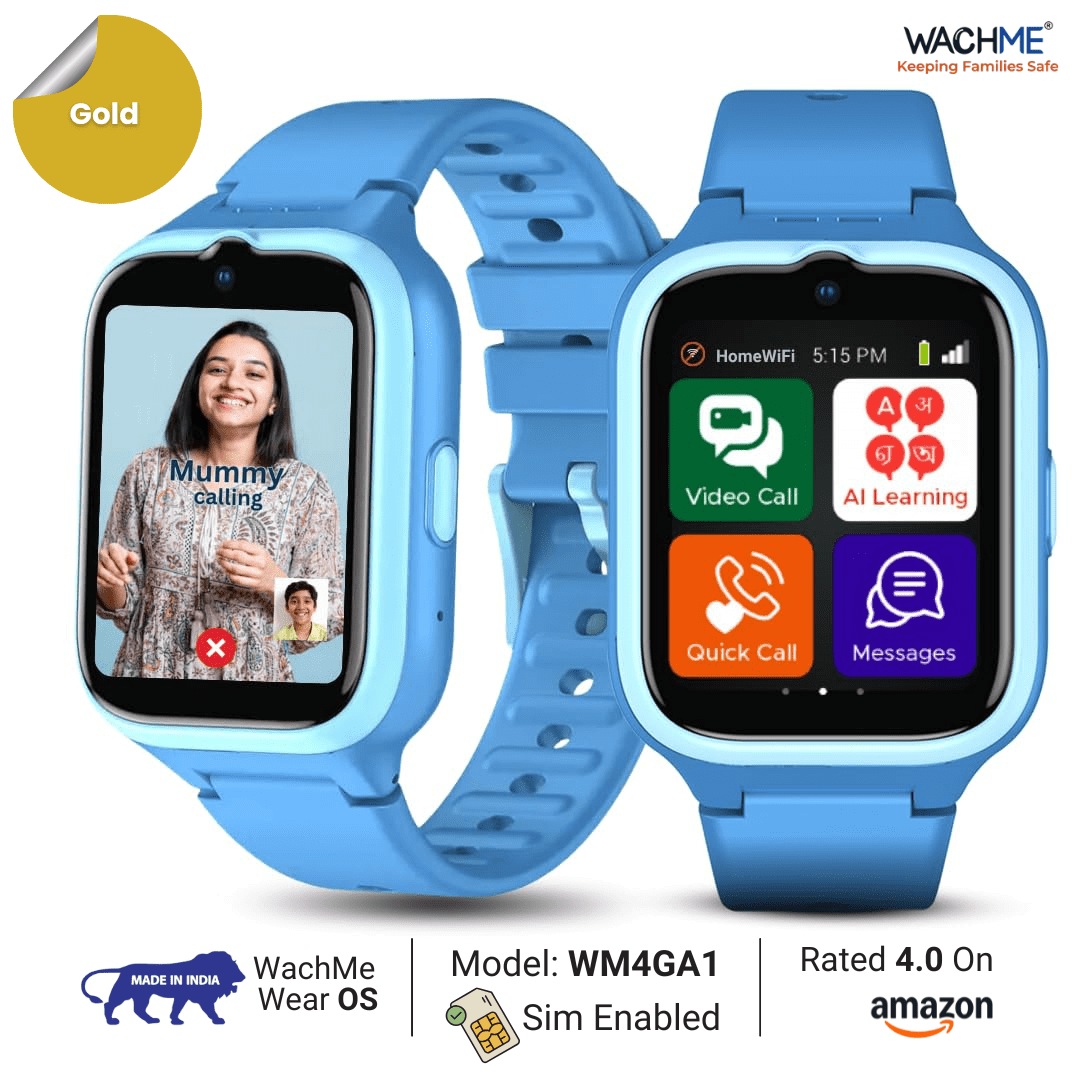
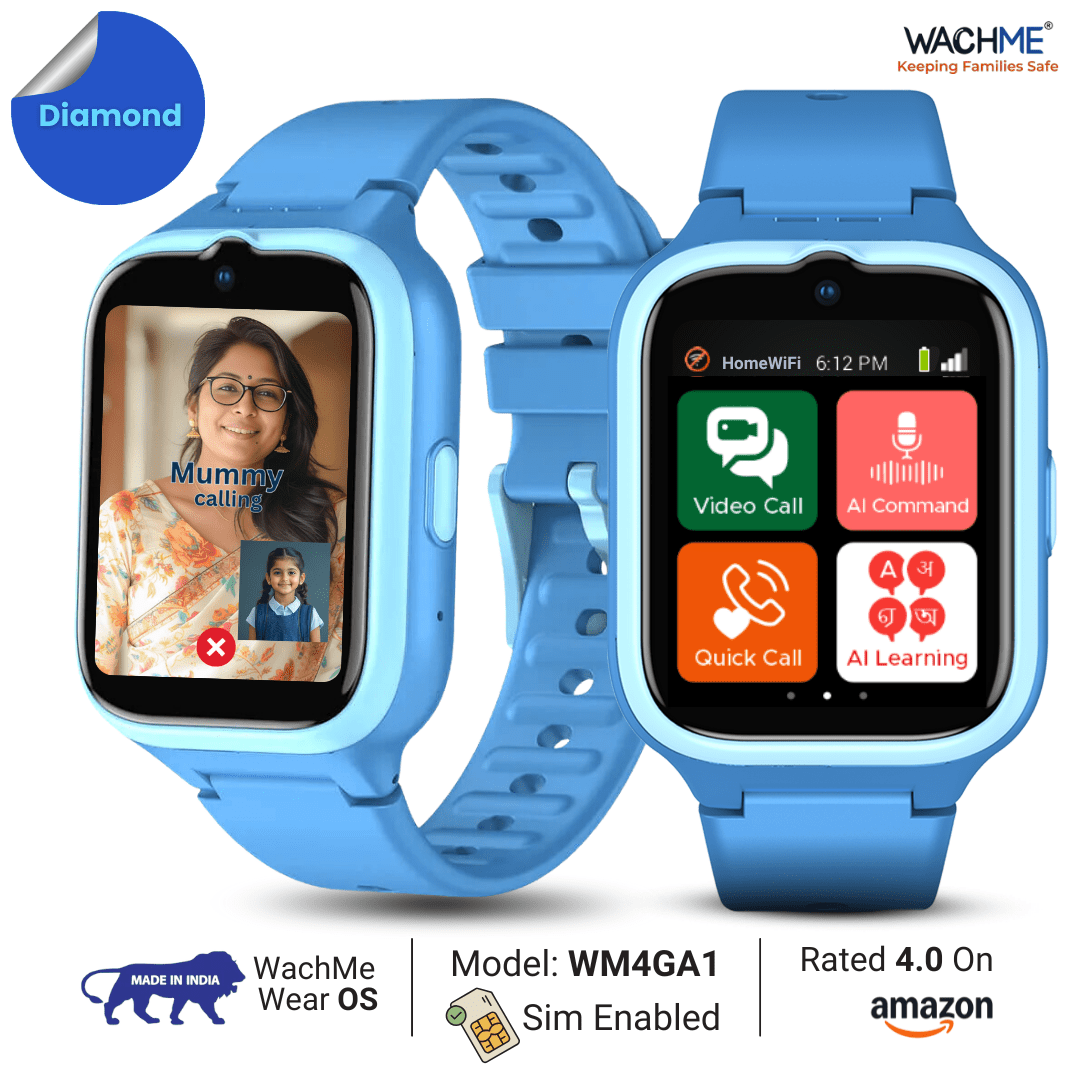
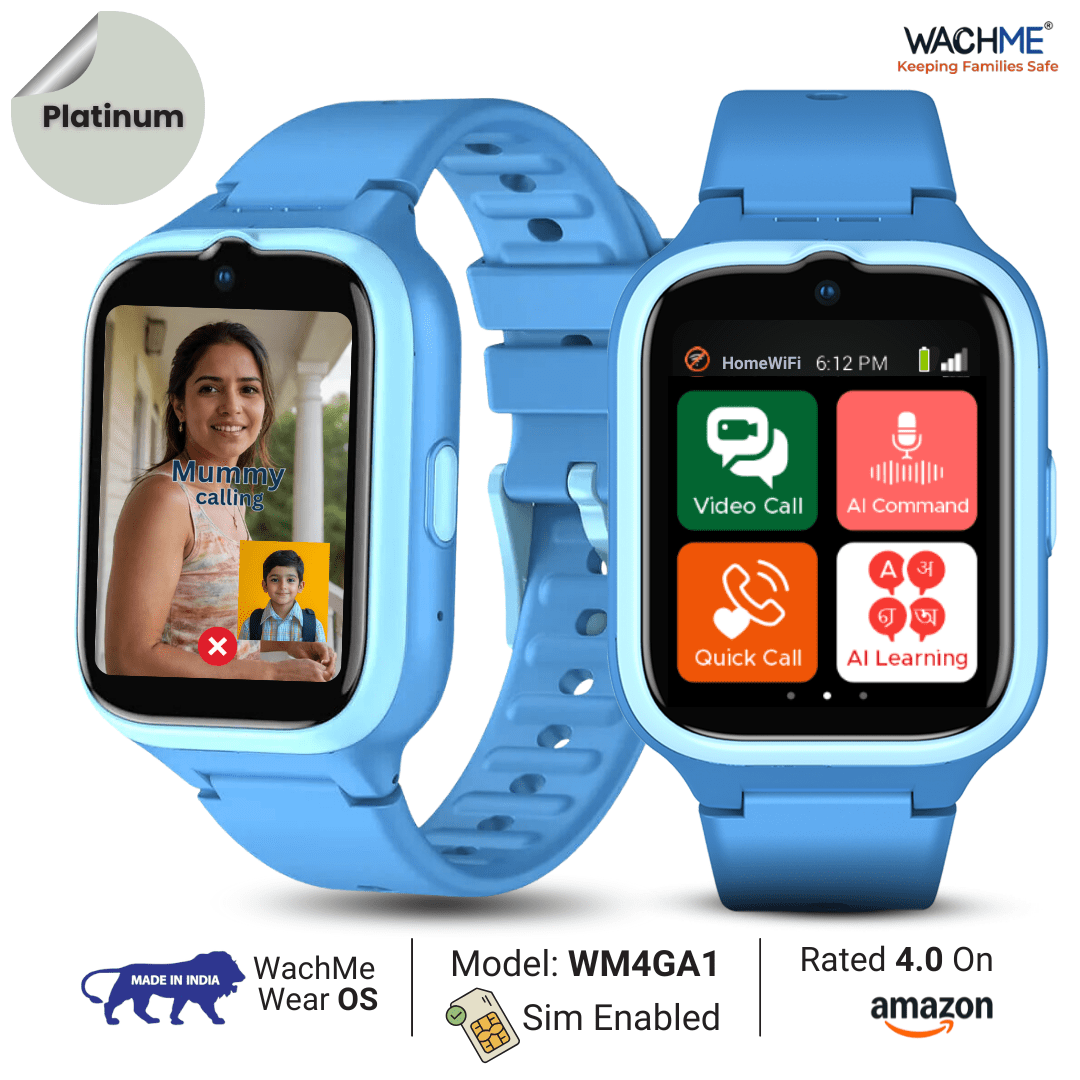
WachMe is a wearable smartwatch that is developed by Inogus Technology Solutions. It enables managers to monitor and communicate with their employees in the workplace. It combines wearable devices with a central management dashboard that helps organisations communicate with their workforce using dedicated work devices and not just their personal phones.
In regard to biotechnology facilities, the aim is to facilitate day-to-day management of the team while ensuring that communications are in sync with facility needs. Facility managers can determine whether or not a dedicated wearable device fits their operational areas, staff responsibilities and security policies before implementing it.
WachMe is designed to support workforce coordination, rather than substituting for laboratory safety procedures, quality management systems or specialised facility controls.
Key Features: How WachMe Helps Biotech Facilities Manage Staff
Controlled Communication for Laboratory and Production Teams
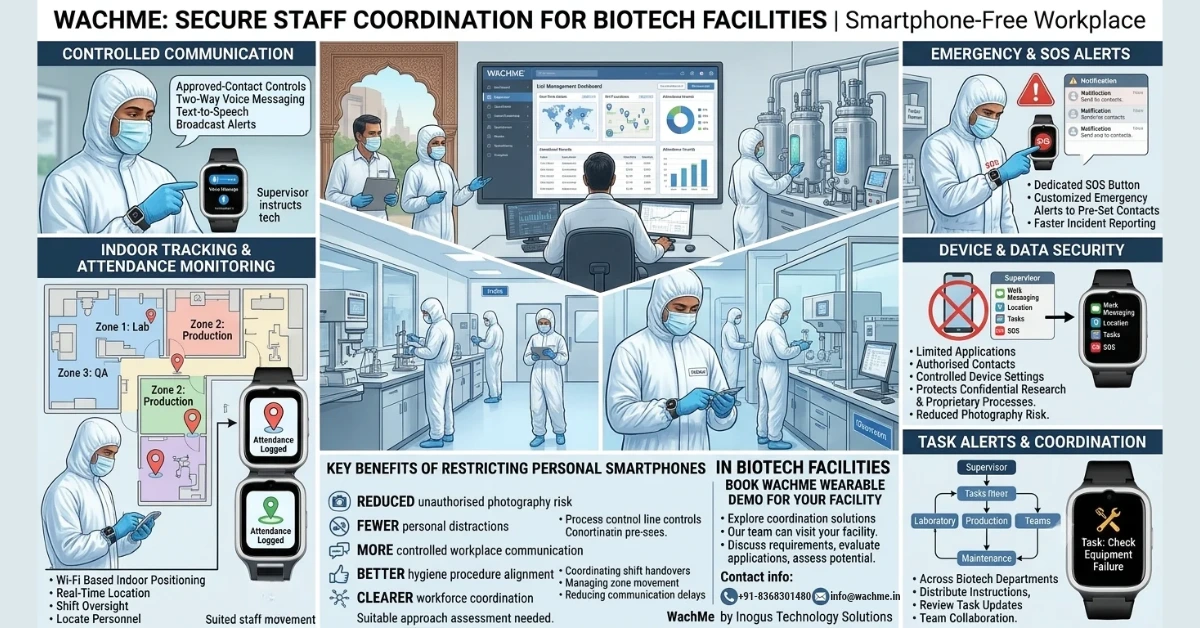
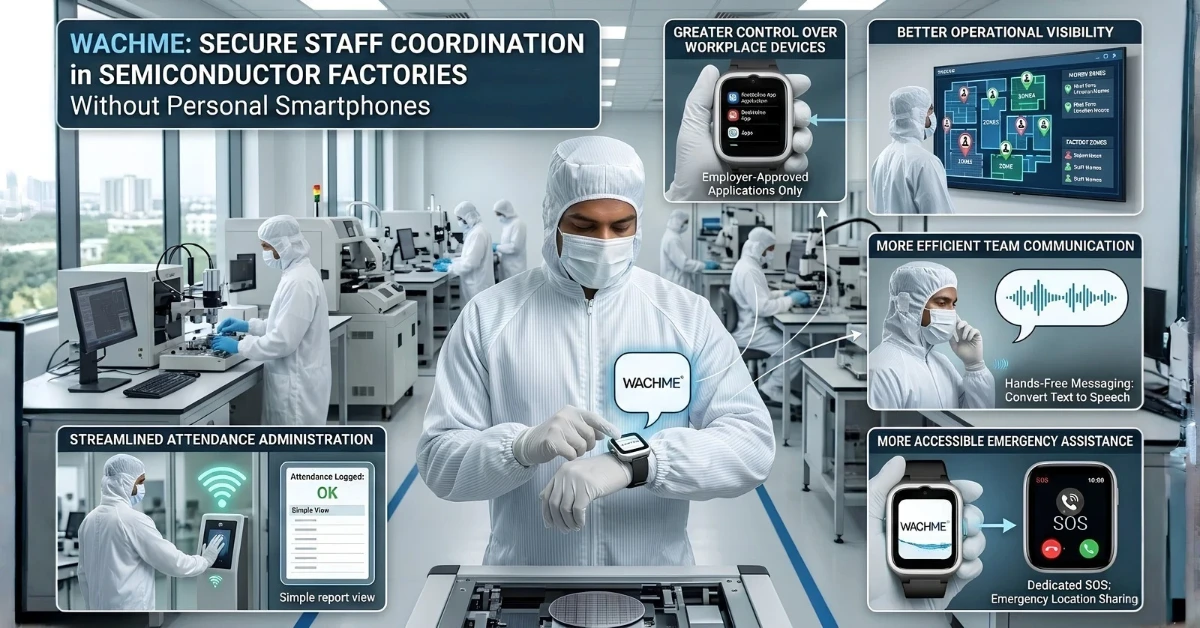
WachMe supports approved-contact controls, two-way voice messaging, text-to-speech and broadcast alerts. This can enable supervisors to give operational instructions to lab technicians and production personnel without having to use unrestricted personal messaging applications. For example, a supervisor can send an update to his assigned team at a particular shift. The configuration of message delivery and voice usage should be around laboratory procedures and tasks that require full concentration.
Indoor Location Tracking and Attendance Monitoring
WachMe features Wi-Fi technology for indoor positioning while using GPS for outdoor positioning with location-based services. The dashboard can be used by supervisors to review the locations and attendance records of their employees in the supported areas. This may assist with shift oversight and locating personnel who need assistance. Accuracy is determined by a number of factors such as infrastructure, building layout, signal conditions and configuration. Testing of room-level positioning and attendance logs needs to be done at facilities before using it for operations.
SOS Alerts for Faster Emergency Communication
WachMe features an SOS button and customized emergency alerts sent to pre-set contacts. The employee in need of help can use the device to send an alert signal, thus enabling supervisors to organize an adequate response. It is especially helpful in cases when employees move around large facilities and cannot approach supervisors easily. But the wearable should act in addition to existing procedures for incident reporting, evacuations, and laboratory alarm systems, not replace them.
Employer-Controlled Devices for Better Information Security
WachMe supports limited usage of applications, authorised contacts, and controlled settings of the wearables by employers. This will minimize the chances of employees having access to unauthorised means of communication through the device. At biotechnology facilities, it could aid in policies that prevent leaks of confidential research and proprietary manufacturing information. But device restrictions alone cannot guarantee complete data security. An organisation should also consider encryption, network security, user permissions, audit logs, and data retention policies prior to deployment.
Task Alerts and Coordination Across Biotech Departments
Most biotech operations require collaboration among laboratory, production, quality and maintenance teams. Any delays in updating may cause tasks to remain unattended or may cause confusion as to who is responsible for what. WachMe’s task notifications and central dashboard can help supervisors distribute instructions and review task-related updates. For example, the maintenance department can get a notification regarding an equipment problem. It should be ensured by facilities that the platform’s task workflows meet their operational and documentation requirements.
Key Benefits of Restricting Personal Smartphones in Biotech Facilities
Restricting personal smartphones in designated work areas can support operational controls when appropriate alternatives are available.
- Reduced exposure to unauthorised photography: Restrictions can help protect confidential research, proprietary processes and sensitive production information.
- Fewer personal distractions: Limiting access to social media and personal messaging during designated tasks can help employees maintain attention on laboratory procedures and operational responsibilities.
- More controlled workplace communication: Employer-managed devices can keep work messages within approved communication channels, subject to the organisation’s security configuration.
- Better alignment with hygiene procedures: Restricting personal devices may simplify contamination-control practices in selected areas, although wearables must undergo their own compatibility assessment.
- Clearer workforce coordination: Dedicated workplace devices can provide an alternative communication channel for shift updates, staff notifications and operational instructions.
These benefits depend on appropriate workplace policies and implementation. Smartphone restrictions alone do not guarantee safety, productivity or information security.
Coordinating Shift Handovers and Staff Availability
The shift handovers comprise the transfer of responsibilities between lab technicians, production operators, and maintenance staff. A lack of updates may make it difficult for the next shift to know the pending tasks and staff availability.
WachMe’s attendance records, staff status dashboard and broadcast messaging can help with coordination of shifts. It makes it possible for managers to see the attendance logs and share updates with the appropriate team members. These tools may aid administrative visibility, but do not substitute formal handover documentation, competency checks or controlled production records.
Managing Staff Movement Across Restricted Biotech Facility Zones
The movement of employees could take place from one laboratory, production floor, storage areas, or utility room to another during the shift. Supervisors need visibility of staff movements without assuming that location alone establishes permission to enter a controlled area.
Indoor tracking capability, configured zone alerts, and centralized monitoring of WachMe can be utilized to determine the presence of employees within the supported zones. Such information can be used to coordinate employees. But physical access controls, authorisation checks and electronic access logs must remain responsible for enforcing restricted-area permissions.
Reducing Communication Delays During Equipment Failures
Equipment failures necessitate coordination among technicians, supervisors, and production teams. Notification delays may hinder the process of maintenance allocation or keep the affected operational crew uninformed.
SOS alerts, broadcast messaging and task notifications in WachMe can serve as additional means of notifying about problems and further instructions. For instance, a technician may notify assigned contacts that help is needed. However, it is essential to comply with the existing procedures for shutdown, isolation, maintenance, and incident-response procedures.
Book WachMe Wearable Demo for Your Facility
Explore how WachMe could support staff coordination in your biotech facility. Our team can visit your organisation to demonstrate the wearable and management dashboard, discuss your workforce management requirements, and assess potential applications. Contact us to arrange a demonstration and determine whether the platform suits your operational environment.
Conclusion
Biotech facilities need effective ways to coordinate staff while protecting sensitive work environments. Wearable technology can support communication, attendance management, staff visibility and emergency coordination without depending entirely on personal smartphones. WachMe brings these capabilities together in one workplace platform. Facility managers should evaluate technical compatibility and operational requirements before deployment. Contact WachMe to explore a suitable approach.
Frequently Asked Questions
-
Can WachMe replace personal smartphones in biotech facilities?
WachMe can support selected workplace communication and monitoring tasks without personal smartphones, depending on facility policies and operational requirements.
-
Can WachMe track employees inside biotech laboratories?
WachMe supports Wi-Fi-based indoor positioning. Accuracy depends on infrastructure, building layout and site configuration, which should be tested before deployment.
-
Does WachMe help protect confidential biotech research?
WachMe offers managed device settings and communication restrictions. Broader cybersecurity controls are still necessary to protect confidential research and operational data.
-
Can WachMe help biotech facilities respond to emergencies?
WachMe’s SOS button and configured notifications can alert designated contacts. Established emergency procedures and dedicated safety systems remain essential.
-
Is WachMe suitable for pharmaceutical cleanrooms?
Suitability depends on device materials, cleaning requirements, contamination controls and applicable certifications. Facilities should verify compatibility before using WachMe in cleanrooms.