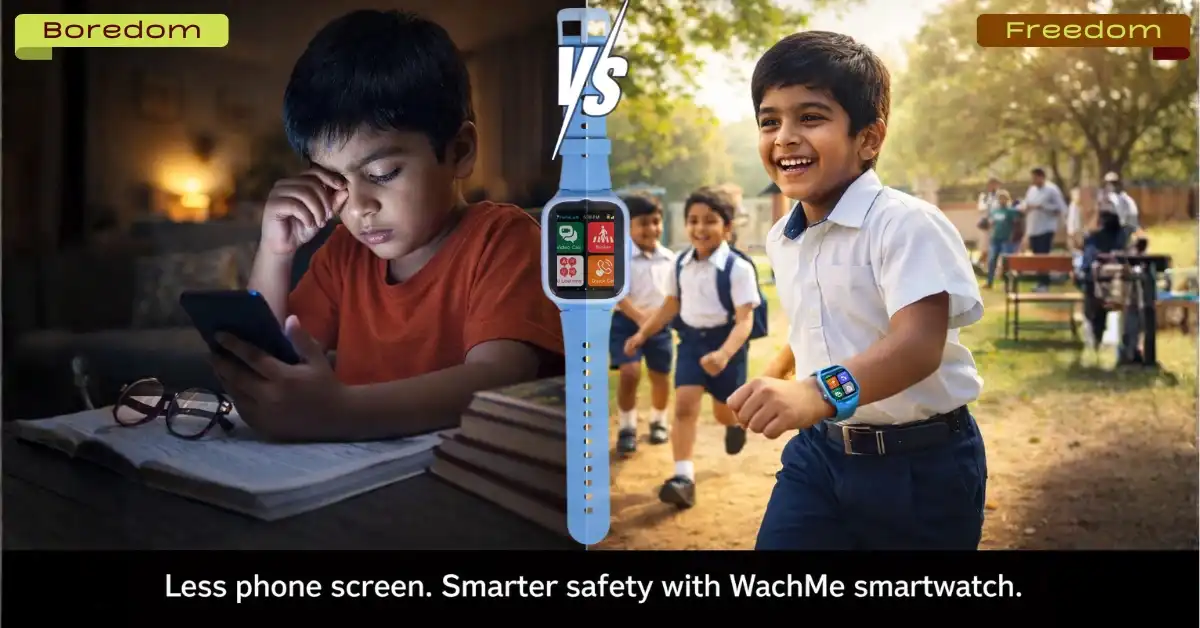
Children’s eyesight problems are rising rapidly in India. Doctors are linking many cases to excessive smartphone usage and prolonged screen exposure.
Conditions like myopia, squint, digital eye strain, and blurred vision are appearing earlier in life.
Parents now face a serious question: how to stay connected with children without harming their eye health.
The Growing Concern of Poor Eyesight Among Children in India
Eye specialists across India are warning about a growing public health issue. Children today spend long hours looking at mobile screens for gaming, videos, social media, and online learning.
This constant exposure places significant stress on developing eyes.
Unlike adults, children’s visual systems are still forming. Continuous near-screen focus can interfere with natural eye development.
Doctors report that many children now develop vision problems before the age of ten.
Conditions that previously appeared in teenagers are now seen in primary school students.
The issue became more visible after the COVID pandemic when online schooling dramatically increased children’s screen exposure.
As a result, ophthalmologists are now urging parents to rethink children’s dependency on smartphones and digital devices.
Key Statistics Showing the Rising Problem
- Around 30,000 children report visual impairment every year in India
- 13% of school-going children are already myopic
- Myopia cases in children have doubled in the last decade
- 23% of Indian schoolchildren currently suffer from myopia
- Experts warn 50% of children could become myopic by 2050
Eye clinics report daily cases of squint linked to screen exposure
These figures show a worrying trend. Excessive digital device usage is becoming a major contributor to childhood eye disorders.
How Excessive Mobile Phone Usage Is Affecting Children’s Eyes
Smartphones expose children’s eyes to continuous near-focus activity, artificial blue light, and reduced blinking frequency.
These factors together contribute to visual fatigue and long-term vision problems.
Continuous Near-Screen Focus and Eye Muscle Strain
Children often hold smartphones very close to their eyes. This forces the eye muscles responsible for focusing to remain contracted for long periods.
Over time, this strain weakens coordination between both eyes and can lead to visual fatigue or misalignment.
Blue Light Exposure from Smartphones
Mobile screens emit high-energy blue light. Excessive exposure can cause eye strain and may affect retinal cells.
Children absorb more blue light than adults, making their developing eyes more vulnerable to digital screen exposure.
Reduced Blinking and Digital Eye Strain
When children focus on screens, their blinking rate drops significantly. Reduced blinking causes dry eyes, irritation, and fatigue.
Over time, this can lead to digital eye strain, headaches, and blurred vision after prolonged screen use.
Increased Risk of Myopia in Children
Continuous near work can cause the eyeball to elongate. This condition is known as myopia or short-sightedness.
Children with myopia can see nearby objects clearly but struggle to see distant objects without corrective lenses.
Conditions Doctors Are Seeing More Frequently in Children
Ophthalmologists across India report an increase in several vision conditions associated with prolonged screen exposure and reduced outdoor activity.
Myopia (Short-Sightedness)
Myopia has become one of the fastest-growing eye conditions among Indian children.
Studies show increasing numbers of school students needing glasses due to prolonged digital screen usage and limited outdoor activity.
Squint (Strabismus)
Squint occurs when both eyes do not align properly. Doctors at KGMU reported seeing children with squint symptoms linked to excessive mobile phone use.
Continuous near focus can weaken eye muscle coordination.
Digital Eye Strain and Dry Eye Syndrome
Digital eye strain occurs when eyes become fatigued after extended screen use. Symptoms include dryness, irritation, headaches, and blurred vision.
Many children now experience these symptoms due to gaming and long smartphone sessions.
Lazy Eye (Amblyopia)
If squint or vision imbalance remains untreated, it can develop into amblyopia, commonly called lazy eye.
In this condition the brain ignores signals from one eye, potentially leading to permanent vision impairment.
Why Smartphones Are Especially Harmful for Young Children
Smartphones present a unique challenge for children’s eye health because they combine small screens, close viewing distance, and prolonged engagement.
Children Hold Phones Too Close to Their Eyes
Most children naturally hold smartphones within 20–25 cm of their eyes. Medical experts recommend a minimum viewing distance of 30–40 cm.
Shorter distance increases eye muscle strain and force continuous focusing effort.
Long Hours of Screen Exposure
Children often use smartphones for gaming, videos, and messaging. Many spend several hours daily on screens.
Long exposure increases blue light intake and reduces blinking frequency, both of which contribute to eye fatigue.
Lack of Outdoor Activities
Outdoor play helps children focus on distant objects and exposes them to natural sunlight.
Studies show that regular outdoor activity supports healthy eye development and can slow the progression of myopia.
Warning Signs Parents Should Watch For
Parents should observe early symptoms that may indicate developing eye problems.
Common warning signs include:
- Frequent eye rubbing
- Complaints of blurred vision
- Squinting when looking at distant objects
- Headaches after screen use
- Excessive blinking
- One eye drifting inward or outward
- Difficulty focusing on school boards
- Sensitivity to light
Early detection is important. Timely medical consultation can prevent long-term complications.
What Eye Specialists Recommend for Protecting Children’s Vision
Eye doctors recommend a combination of lifestyle changes and preventive habits to protect children’s visual development.
Limit Screen Time
Experts recommend limiting children’s recreational screen time to minimal levels.
Screens should primarily be used for essential tasks such as education, and even then with regular breaks.
Encourage Outdoor Play
Outdoor activity for at least one hour daily allows children’s eyes to focus on distant objects. Sunlight exposure also supports natural eye growth regulation.
Maintain Proper Viewing Distance
Children should maintain a viewing distance of 30–40 cm from digital screens. Proper posture and screen positioning help reduce strain on eye muscles.
Regular Eye Checkups
Routine eye examinations help detect vision problems early. Eye specialists recommend periodic vision screening for school-age children to identify issues like myopia progression or squint
The Real Challenge for Parents – Staying Connected Without Giving Smartphones
Many parents understand the risks of excessive mobile usage. However, they still face a practical problem: children need a way to stay connected when outside home or school.
The challenge is finding a solution that allows communication without exposing children to unnecessary screen time.
Safe Communication Without Internet Distractions
Parents want their children to stay reachable, especially during school travel or outdoor activities.
Smartphones provide communication but also expose children to gaming, social media, and excessive screen use.
Safety During School and Outdoor Activities
Children often travel to school, tuition classes, or play areas. Parents want reassurance that their child is safe without giving them unrestricted access to smartphones.
Avoiding Screen Addiction at an Early Age
Mobile phones easily become a source of entertainment. Young children quickly develop habits around games and videos, increasing their daily screen time.
Maintaining Healthy Digital Habits
Parents increasingly want children to develop balanced technology habits. This means limiting exposure to devices that encourage prolonged screen engagement.
Staying Connected While Protecting Health
The goal for many parents is simple: communication and safety without risking children’s eyesight or digital dependency.
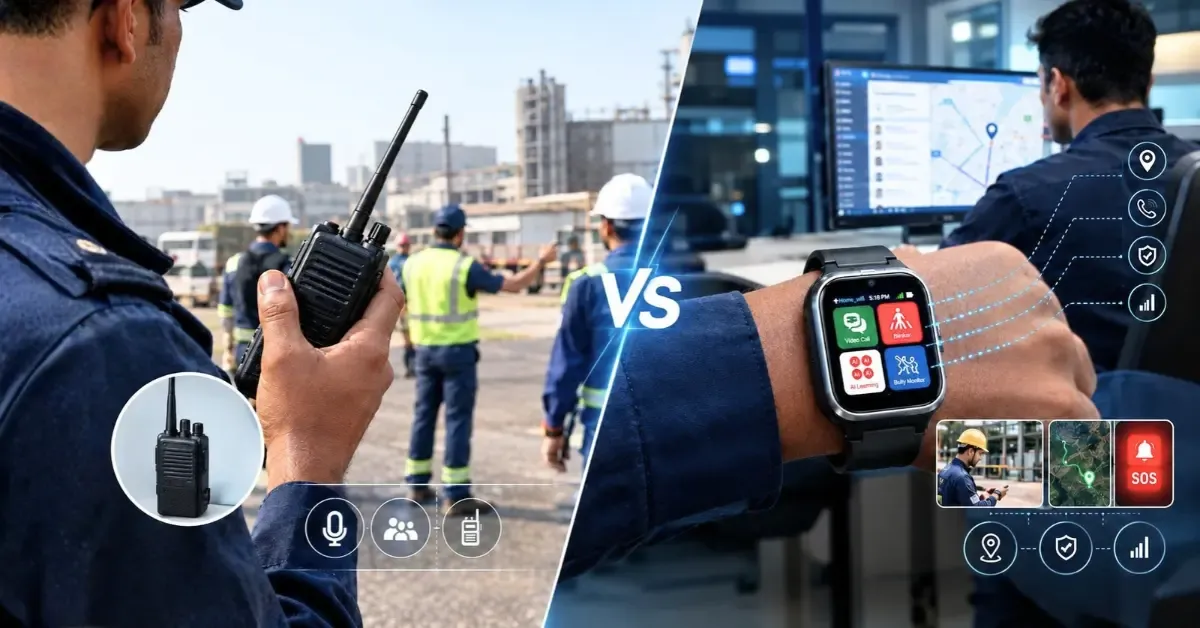
How Smartwatches Are Becoming a Safer Alternative for Kids: Smartwatch vs Smartphone
Smart safety watches designed for children are emerging as an alternative communication device.
They provide limited functions focused on communication and safety rather than entertainment.
| Feature |
Smartphone |
Kids Safety Smartwatch |
| Screen usage |
High, prolonged viewing |
Minimal interaction |
| Internet access |
Full internet exposure |
Controlled connectivity |
| Social media apps |
Easily accessible |
Not available |
| Gaming and entertainment |
High risk of addiction |
Limited or none |
| Communication |
Calls, messages, apps |
Controlled calling |
| Parental monitoring |
Limited |
Strong parent controls |
| Location tracking |
Not always active |
Built-in GPS tracking |
| Screen dependency risk |
High |
Significantly reduced |
Smart safety watches focus on communication, monitoring, and safety features, reducing unnecessary exposure to digital screens.
How WachMe Smartwatch Helps Reduce Smartphone Dependency for Children
WachMe is designed specifically as a child safety smartwatch for children aged 5–14. It allows parents to stay connected with children while reducing reliance on smartphones.
Communication Without Smartphone Screen Addiction
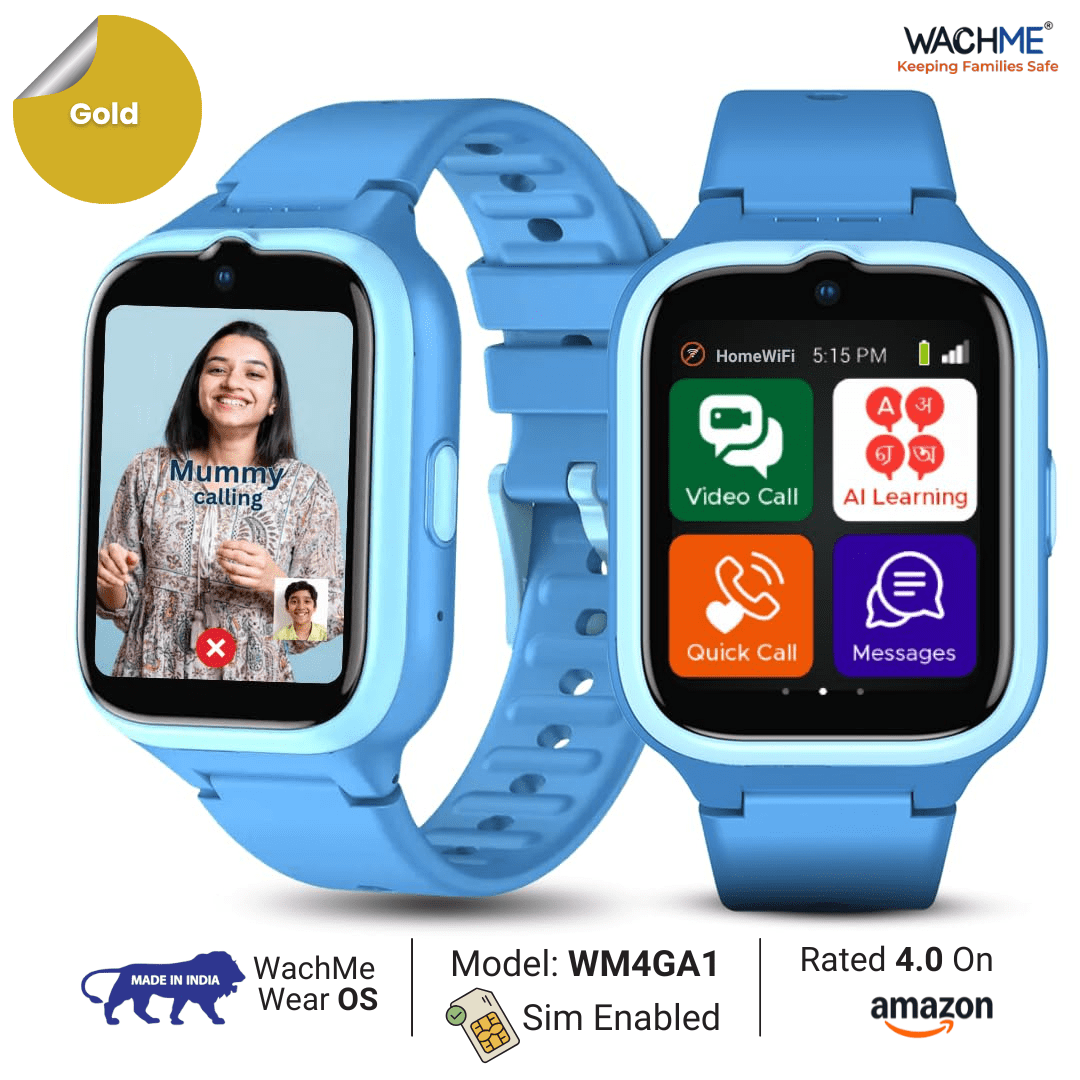
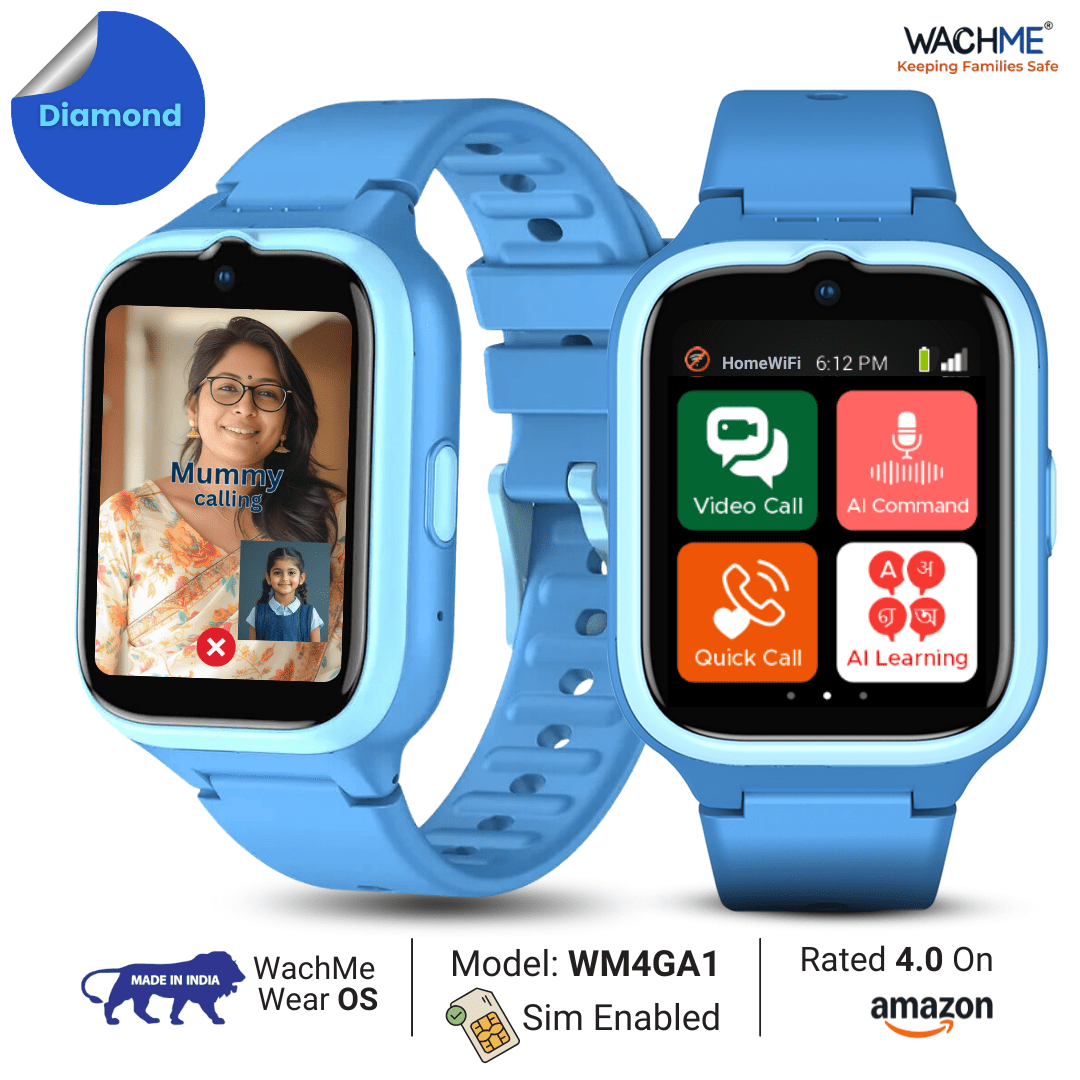
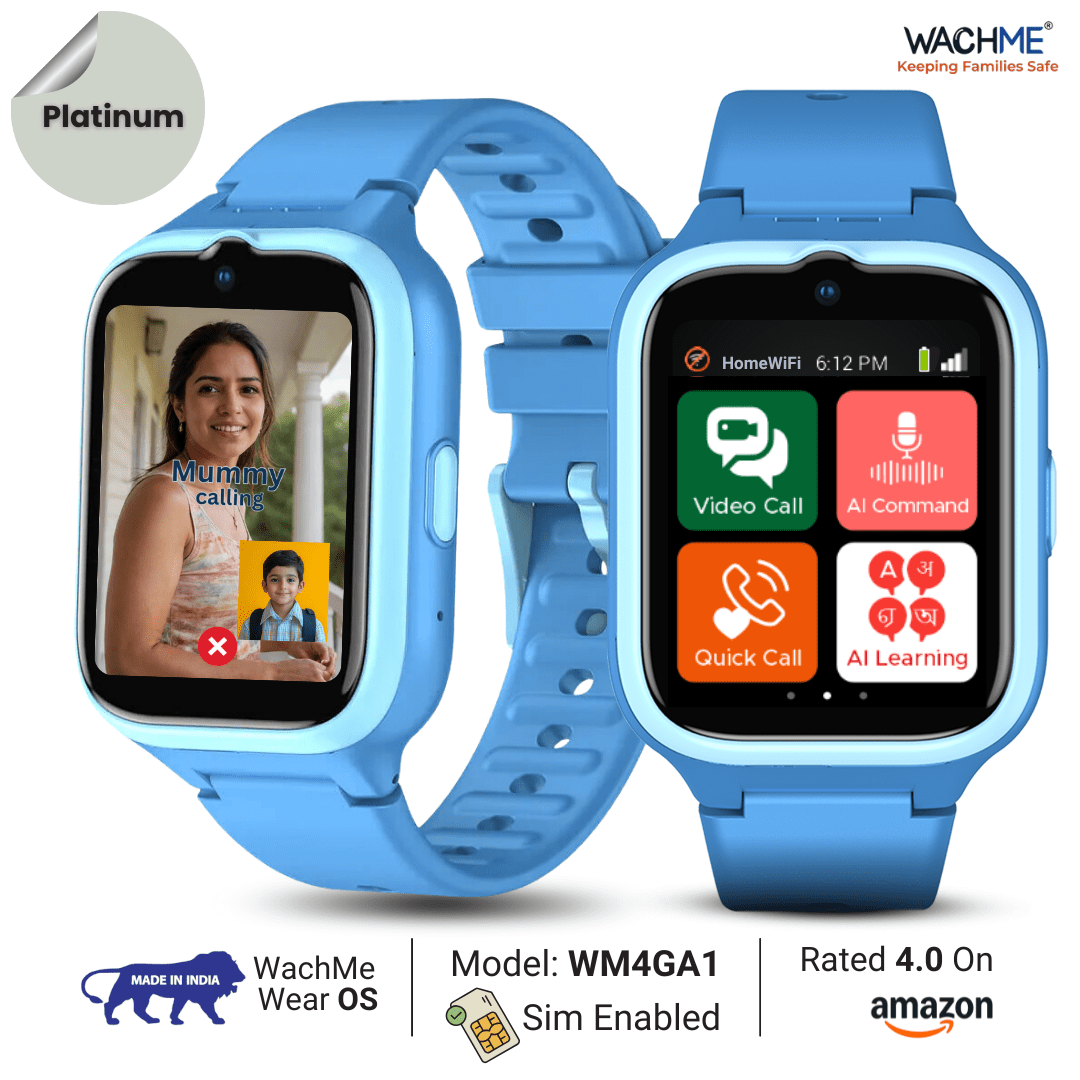
WachMe allows two-way voice and video calls between parent and child. Children communicate easily without browsing internet apps, gaming platforms, or social media distractions.
Child Safety Monitoring
The watch provides features such as GPS location tracking, school route monitoring, fall detection alerts, and safe zone notifications, helping parents monitor children’s movement throughout the day.
Bully Monitoring for School Safety
WachMe includes bullying monitoring technology that can detect unusual sound patterns near the child.
This helps parents identify potential bullying situations early and respond appropriately.
Parent Control Without Giving Kids Full Smartphones
The WachMe Parent Controller app allows parents to manage contact lists, security settings, and communication permissions, ensuring children remain connected while avoiding unrestricted smartphone access.
Additional features supporting child safety and reduced screen dependency include:
- Two-way calling and messaging
- Video calling capability
- GPS location tracking
- Fall detection alerts
- Route monitoring for school travel
- Safe zone alerts
- AI learning and quiz functions
- Customisable watch interface
- Parent controller mobile app
These features help maintain communication, safety, and limited screen interaction.
Why Many Parents Are Choosing Smartwatches Instead of Smartphones for Kids
Many families now prefer safety smartwatches over smartphones for younger children.
Reduced Screen Exposure
Smartwatches encourage short interactions rather than long periods of screen engagement, helping protect children’s developing eyesight.
Controlled Digital Environment
Unlike smartphones, smartwatches do not allow unrestricted app downloads, social media access, or online gaming.
Safety Monitoring Features
Many smartwatches include GPS tracking, safety alerts, and monitoring tools that help parents stay aware of their child’s location.
Encouraging Outdoor Activities
Without mobile gaming and video apps, children spend more time engaging in outdoor activities and physical play.
Simpler Technology for Young Users
Smartwatches provide simple communication features suitable for younger children who do not require full smartphone functionality.
Read More :
Protecting Children’s Vision While Keeping Them Connected
Protecting children’s eyesight requires both lifestyle adjustments and responsible technology choices.
Reducing unnecessary screen exposure can significantly improve long-term visual health.
Parents can help by:
- Limiting recreational screen time
- Encouraging outdoor play
- Maintaining a healthy viewing distance from screens
- Promoting balanced digital habits
- Choosing safer communication devices
Children today grow up surrounded by digital devices. The goal is not to remove technology entirely, but to use it in a safe and controlled way.
Stay Connected and Keep Your Child Safe from Smartphone Harm – Choose WachMe
For parents seeking a balanced solution, devices like WachMe safety smartwatch provide communication, safety monitoring, and reduced screen exposure.
WachMe enables children to remain connected with parents while avoiding many of the risks associated with prolonged smartphone usage.
Explore the Wachme Safety Smartwatch for your child to stay connected, safe, and less dependent on smartphones.
Conclusion
Parents play an important role in shaping healthy digital habits for children. Limiting unnecessary screen exposure, encouraging outdoor play, and choosing safer communication devices can help protect children’s vision.
Technology should support children’s growth rather than harm it. With thoughtful decisions, parents can help their children stay connected while maintaining healthy eyesight and balanced digital habits.
Read More:
WachMe Smartwatch Safety Blinker: A Smart Feature to Keep Kids & Adults Safe on Roads
How WachMe Improves Safety for Children with Disabilities Outside Home & School
Wachme: No.1 Made in India Smart Watch for Kids Safety
FAQs
1. At what age can children start using a smartwatch?
Most safety smartwatches like WachMe are designed for children aged five to fourteen, providing safe communication without exposing them to full smartphone features.
2. Are smartwatches safer for children than smartphones?
Smartwatches limit screen exposure and restrict internet access. This reduces screen addiction and excessive digital engagement compared with smartphones.
3. Can parents track their child’s location using a smartwatch?
WachMe include GPS location tracking, helping parents monitor children’s location during school travel or outdoor activities.
4. Do smartwatches allow children to make calls?
Many smart safety watches support two-way calling, allowing children to communicate with approved contacts while preventing unknown callers.
5. Do smartwatches reduce children’s screen time?
Smartwatches encourage short interactions for communication rather than long periods of screen viewing.
6. Are safety features included in children’s smartwatches?
Many devices provide safety tools such as GPS tracking, safe zone alerts, fall detection, and parent monitoring features.
7. Can parents control the smartwatch remotely?
With systems like the WachMe Parent Controller app, parents can manage contacts, security settings, and device functions.
8. Are smartwatches suitable for school-going children?
Many parents prefer smartwatches for school children as they provide communication without the distraction of smartphones.
9.Do smartwatches support video calling?
Some models allow video calling between parents and children, providing visual reassurance while keeping communication simple.
10. Why are smartwatches becoming popular for children?
Parents increasingly choose smartwatches because they combine safety, communication, and controlled technology use without exposing children to smartphone risks.