Child safety today is not just about knowing where your child is. It is about knowing what is happening and being able to respond instantly. Many parents compare a kid’s GPS smartwatch and a tracking tag, but both serve very different purposes. This guide explains what truly keeps your child safe.
Why is Tracking Important for Your Child’s Safety
1. Knowing Real-Time Location
Real-time location tracking helps parents understand where their child is during school, travel, or outdoor play. It builds awareness and reduces uncertainty in daily routines.
2. Safety During Travel
Children travelling to school or tuition alone face risks. Tracking ensures parents can monitor movement and confirm safe arrival without constant phone calls.
3. Outdoor Independence
Children need freedom to play and explore. Tracking allows parents to give independence while still staying informed about their child’s whereabouts at all times.
4. Emergency Awareness
In unexpected situations, location tracking becomes the first step in understanding where the child is and how quickly help can reach them.
5. Routine Monitoring
Tracking helps parents verify daily routes such as home to school and back. It ensures consistency and quickly highlights any unusual deviation.
6. Peace of Mind for Parents
Ultimately, tracking reduces anxiety. Parents feel more confident allowing children independence when they can check their location anytime through a reliable system.
Understanding the Two Approaches – Tracking Devices vs Safety Devices
Tracking Tags
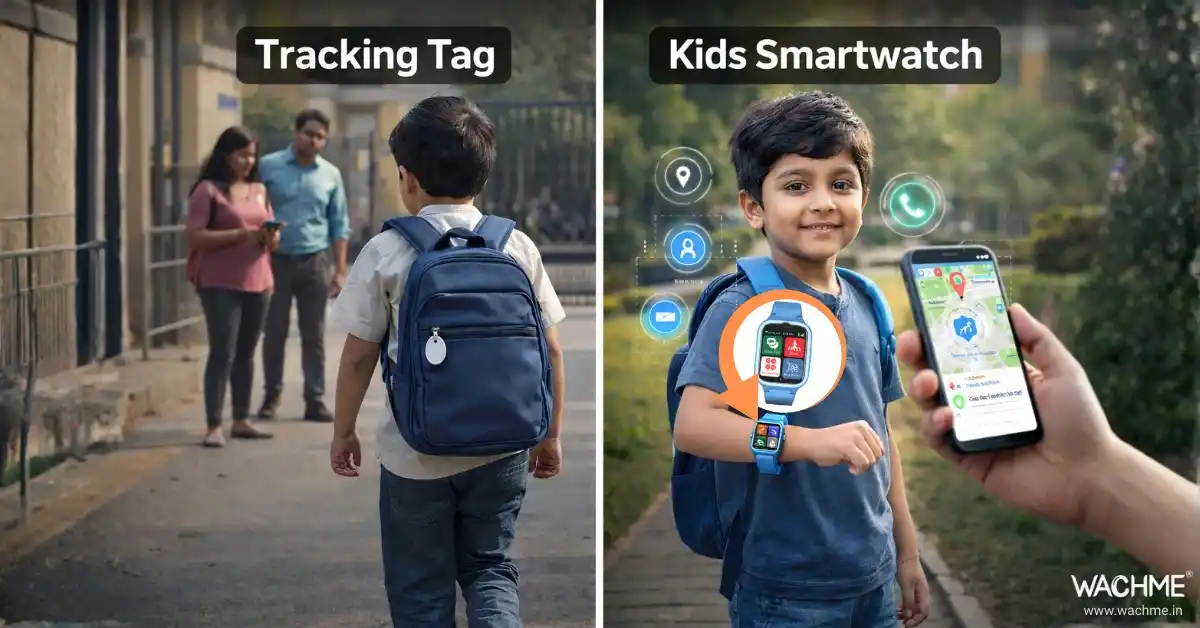
Tracking tags are small devices designed mainly for locating objects such as bags, keys, or luggage. They use Bluetooth or Wi-Fi-based systems to show approximate location when connected to nearby devices. While some parents use them for children, they are not built for active safety or real-time response.
- Designed for object tracking
- No calling or communication
- Works passively
- Depends on nearby devices for accuracy
Safety Smartwatch for Kids
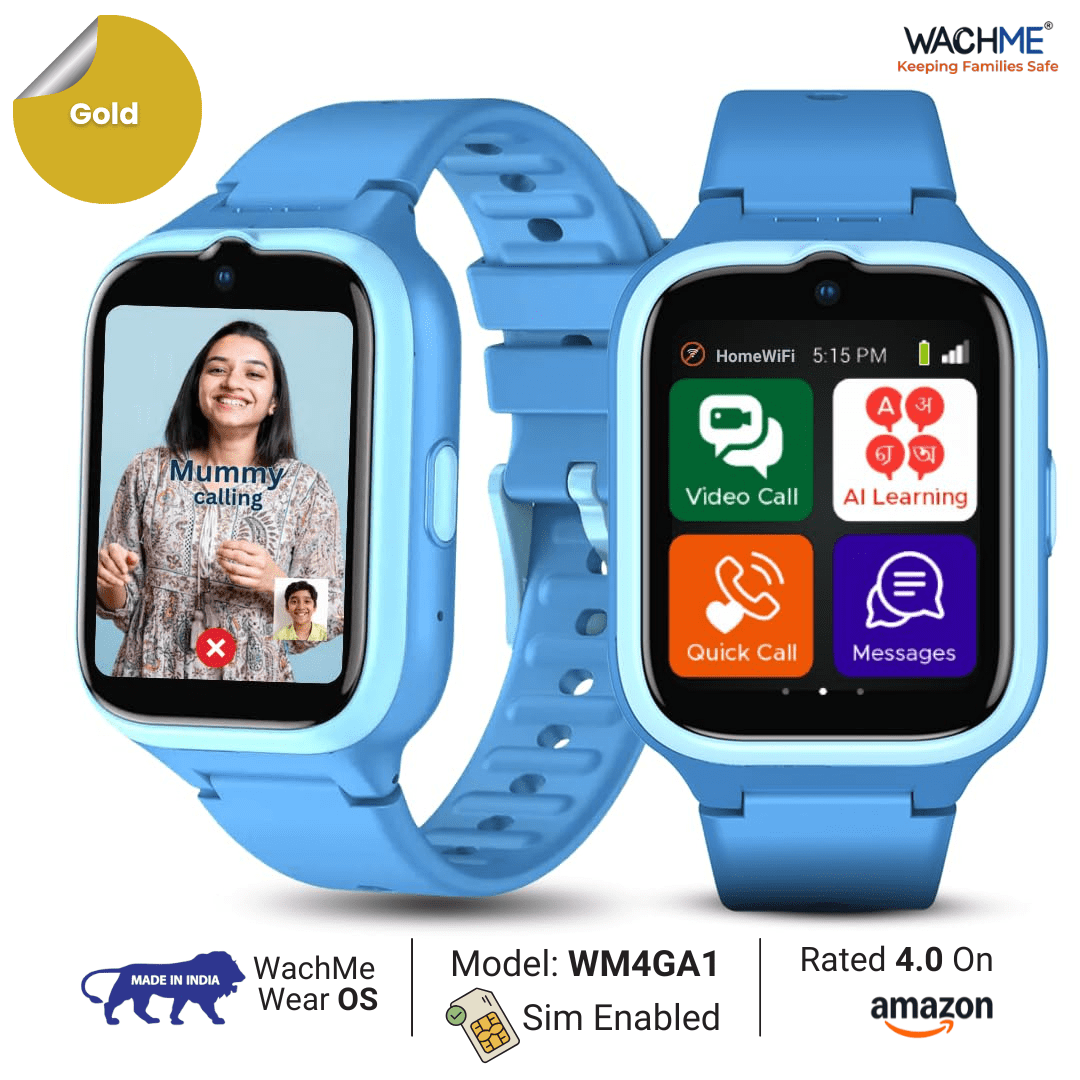
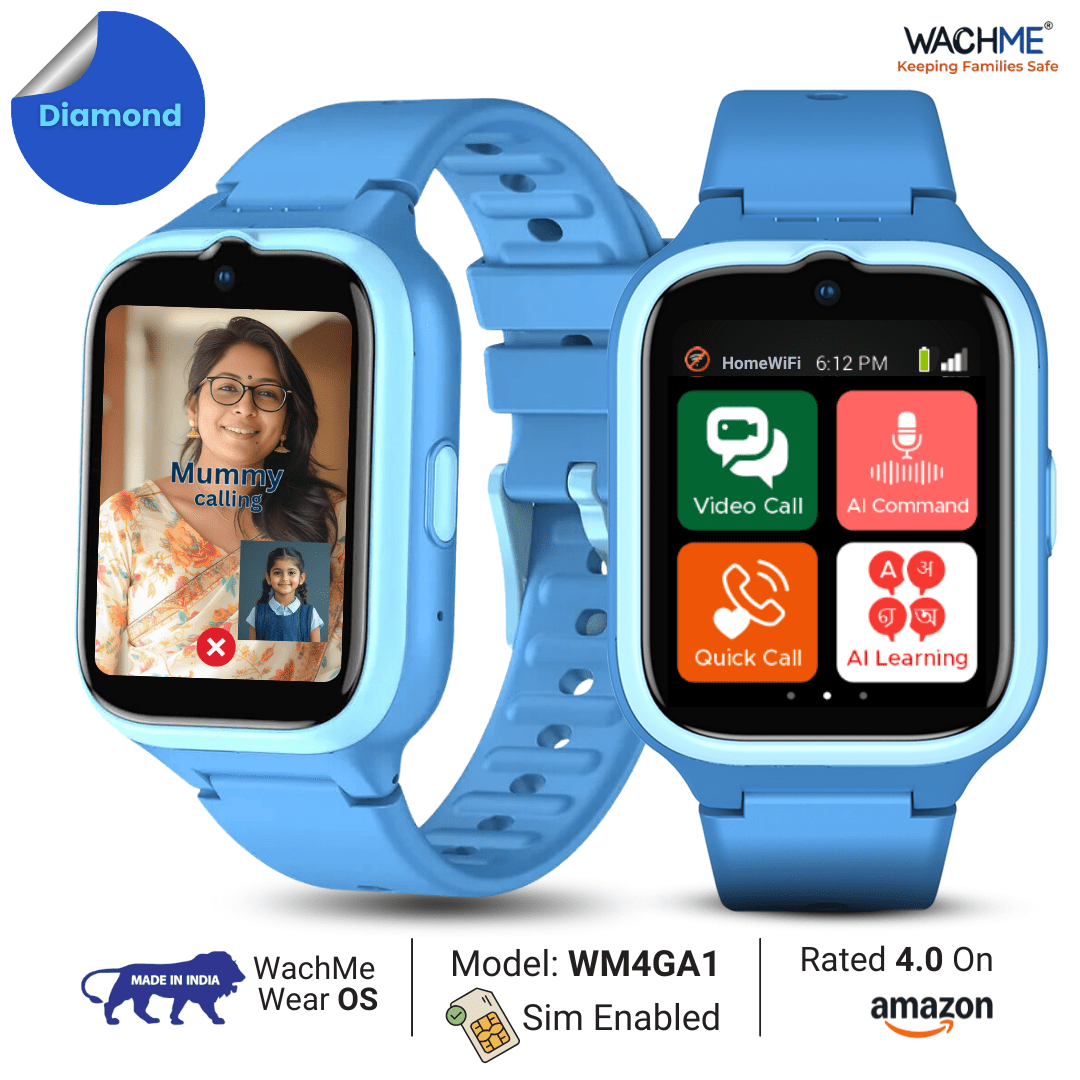
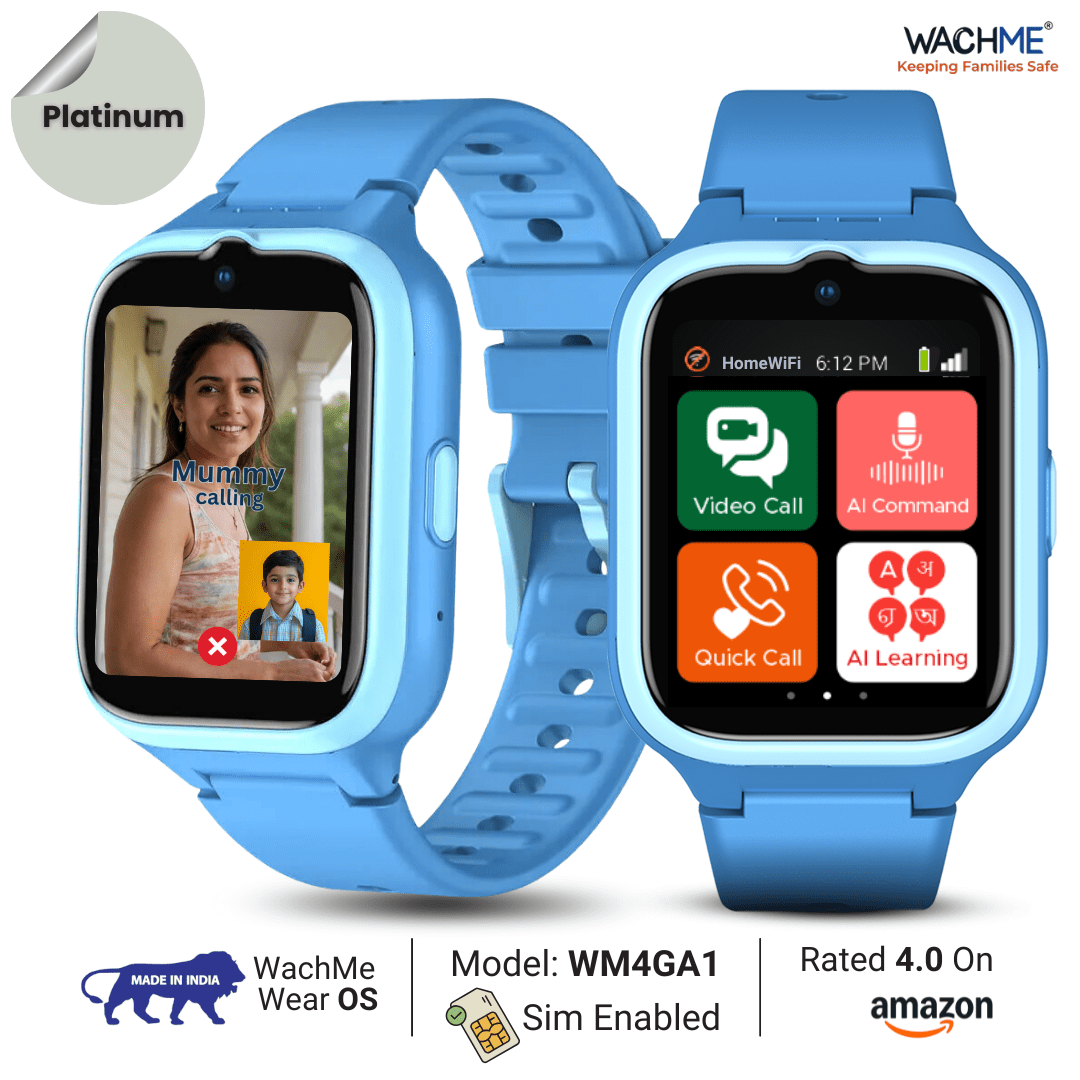
A kids’ safety smartwatch is designed specifically for children. It combines GPS, WiFi, Bluetooth tracking, communication, and emergency features in one wearable device. It allows both the child and parent to stay connected at all times, making it a more complete safety solution.
- Built for child safety and monitoring
- Supports calling and messaging
- Works independently with SIM
- Enables real-time interaction
Read More: WachMe Kids GPS Tracker Watch: India’s #1 Smartwatch for Child Safety
Situations Where Tracking Is Not Enough
Scenario 1: Child Is Scared But Cannot Call
A child may feel unsafe or uncomfortable in a situation but cannot reach out. A tracking tag only shows location, but does not allow the child to communicate or seek help instantly.
Scenario 2: Bullying in School or Bus
Bullying often happens silently. A tag cannot detect or record such situations. Parents remain unaware unless the child speaks up later, which many children hesitate to do.
Scenario 3: Fall or Physical Injury
If a child falls or gets injured, an immediate response is critical. A tracking device will not alert parents. It only shows the location without indicating any emergency condition. Also, child cannot record any bullying activity with a tag.
Scenario 4: Child Lost in Mall
In crowded places, a child may panic. A tag may show location but does not guide or comfort the child. Communication becomes more important than just tracking.
Smartwatch vs Tag – When Each Makes Sense for Parents
| Feature |
Kids GPS Smartwatch (WachMe) |
Tags (AirTag / Jio / Noise / Tile) |
| Primary Purpose |
Child safety, communication, and monitoring |
Object tracking |
| Child Age Suitability |
5–17 years |
2–4 years (limited use) |
| Can Replace Phone |
Yes |
No |
| Usability |
Worn on the wrist, multi-purpose |
Attached to the bag/shoes |
| Battery Life |
1-7 days |
3-12 months |
| Location Tracking |
GPS + WiFi + Bluetooth |
Bluetooth / network-based |
| Communication |
Calling, messaging, SOS |
Not available |
| Child Interaction |
Active use by child |
Passive, no interaction |
| Emergency Response |
Alerts, SOS, fall detection |
Only location visible |
| Reliability |
Works independently |
Depends on nearby devices |
| Cost |
Higher with features |
Lower device cost |
The Hidden Limitations of Tags Parents Often Ignore
1. Dependence on Nearby Devices
Tags completely rely on nearby smartphones to update their location. In remote or less crowded areas, tracking may become delayed or inaccurate and it may also not work at all.
2. No Communication Support
Tags do not allow calling or messaging. In real situations, a child cannot reach out for help directly through the device.
3. No Emergency Detection
They cannot detect falls, distress, or unusual activity. Parents only see the location without understanding the situation.
4. Easy to Remove or Lose
Tags attached to bags or clothes can be removed, misplaced, or forgotten, reducing reliability in real use.
5. Not Designed for Human Safety
Tags are built for objects, not people. They lack features needed for real-time child protection and monitoring.
6. Delayed Response Capability
Even if the location is visible, parents cannot act immediately without communication, which delays response during emergencies.
7. Preventing digital addiction
Smartwatches can prevent digital addiction as they are an alternative to smartphones. Tags do not address these issues.
What a Complete Child Safety System Should Actually Include
1.Real-Time Communication
A safety device must allow instant calling and messaging so the child and parent can stay connected at all times.
2. Accurate Multi-Layer Tracking
GPS, WiFi, and Bluetooth tracking together ensure reliable location both indoors and outdoors in different environments.
3. Emergency Alert System
The child should be able to trigger SOS alerts instantly, and the device should detect unusual situations like falls automatically.
4. Child Interaction Capability
The child must actively use the device to communicate, ask for help, or respond to parents when needed.
5. Independent Functioning
The system should not depend on nearby devices. It must work independently through SIM-based connectivity.
6. Behaviour Monitoring
Features like bully monitoring or silent monitoring help parents understand situations beyond just location.
7. Parental Control Application
Parents should have an easy-to-use app to monitor, manage, and control safety settings without complexity.
8. Daily Routine Tracking
Monitoring routes such as school travel helps ensure consistency and quickly identifies unusual changes.
How Smartwatches Like WachMe Change the Game
A safety smartwatch like WachMe goes beyond tracking and builds a complete safety ecosystem for children. It combines communication, monitoring, and intelligent alerts into a single wearable device designed for real-life situations.
Unlike tags, it allows children to actively connect with parents, making safety immediate rather than reactive.
Key advantages include:
- Real-time calling and messaging
- SOS alerts for emergencies
- Fall detection for quick response
- Route monitoring for daily safety
- Indoor and outdoor tracking accuracy
Key Features That Make WachMe Smartwatch a Better Alternative to Tag
1. Two-Way Communication
WachMe allows children to call or message parents instantly. This ensures real-time communication, which is essential during uncertain or unsafe situations where immediate response matters.
2. SOS Emergency Alerts
With a single tap, children can send SOS alerts to parents. This provides instant notification and enables quick action during emergencies or when the child feels unsafe.
3. Fall Detection System
WachMe can detect sudden falls and alert parents automatically. This ensures that even if the child cannot respond, the situation is still communicated immediately.
4. Bully Monitoring Support
The device helps identify bullying situations through sound monitoring. This gives parents awareness about issues that children may not openly communicate.
5. GPS + WiFi + Bluetooth Tracking
WachMe uses multiple tracking technologies for better accuracy. This ensures location visibility both outdoors and indoors, unlike basic tracking tags.
6. Independent SIM-Based Working
Unlike tags, WachMe works independently with a SIM. It does not rely on nearby devices, making it more reliable in real-life situations.
7. Child Interaction and Control
Children can actively use the device to communicate, respond, and seek help. This creates a two-way safety system rather than passive monitoring.
8. Smartphone Alternative for Kids
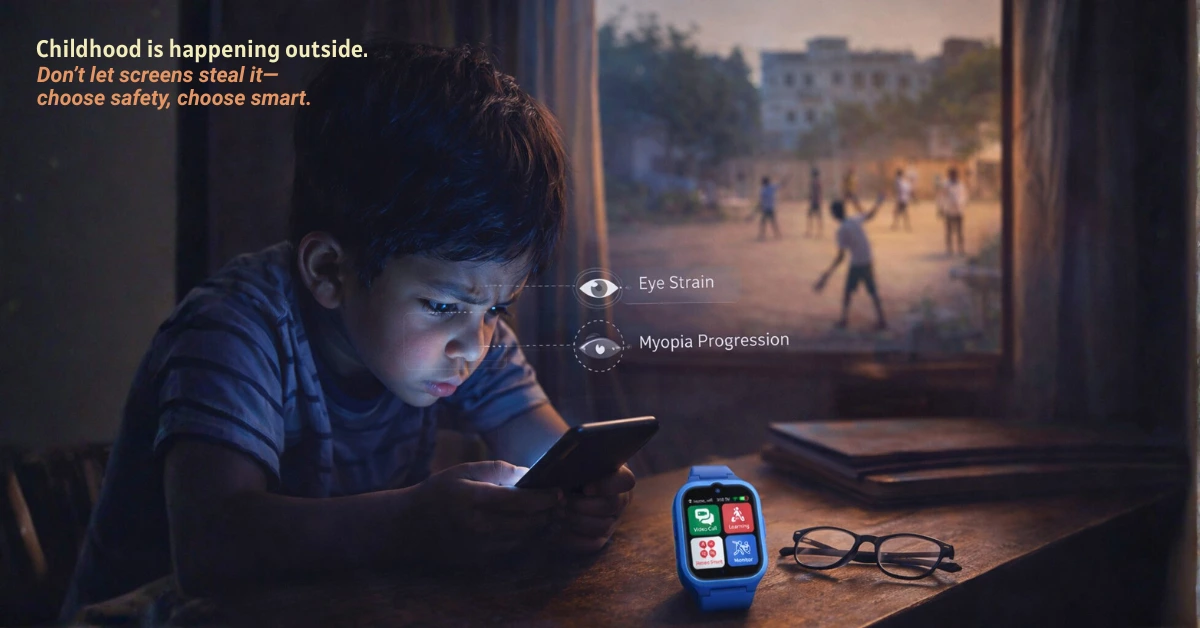
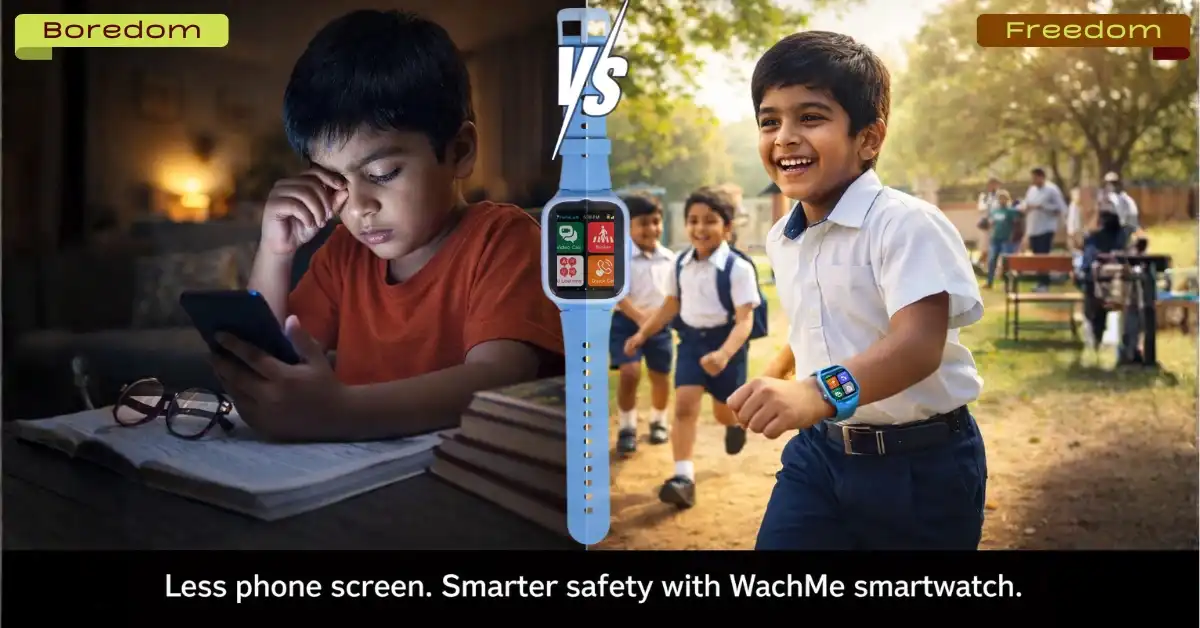
WachMe reduces the need to give children a smartphone. It provides essential features without distractions, making it a safer digital introduction.
Can Parents Use Both Together?
Parents who want an extra layer of tracking can use both devices together. A tag can be placed in a school bag, while the smartwatch remains with the child.
This approach ensures object tracking through tags and active safety through WachMe. However, the primary safety responsibility should always be handled by a device designed for children.
Get Your Child WachMe
If your goal is more than just tracking, choosing the right device matters. WachMe is designed as a complete child safety smartwatch, offering communication, monitoring, and emergency response. It helps parents stay connected while giving children safe independence in daily life.
Buy Wachme Smartwatch Online Today!
Conclusion
Tracking your child is important, but it is only one part of safety. A tracking tag can show where your child is, but it cannot help them in real situations. Child safety requires communication, awareness, and quick response.
A smartwatch provides these essential layers. It allows children to connect, alert, and stay supported. Tags can support tracking, but they cannot replace a complete safety system like WachMe.
Read More:
Smartwatch vs Traditional Watch for Kids: Which Is Better for Your Child?
Smart Phone vs Smartwatch: Which is Better for Kids in India?
Best Smartphone Alternatives for Kids in India: WachMe Safety Smartwatch
WachMe Kids GPS Tracker Watch: India’s #1 Smartwatch for Child Safety
FAQs
Q1. Is a location tag like Apple, Jio tag enough for child safety?
A tag only shows location. It does not allow communication or emergency response, which makes it a very limited option for ensuring child safety.
Q2. Can a smartwatch replace a phone for kids?
Yes, devices like WachMe provide calling and messaging, making them a safer & reliable alternative to smartphones for children aged 5–17.
Q3. What is better for school-going children?
A safety smartwatch like WachMe is better, as it allows communication, monitoring, and emergency alerts during school and travel.
Q4. Are tracking tags reliable everywhere?
No, many tags depend on nearby devices. This can reduce accuracy in less crowded areas or indoor environments. Tags will not work at all if there is no phone in its proximity (about 20 mts)
Q5. Can children use a tracking tag themselves?
No, tags are passive devices. Children cannot interact with them or use them to communicate or seek help.
Q6. Why is communication important in child safety?
In emergencies, being able to call or alert parents is more important than just sharing location. WachMe enables this directly.
Q7. What age is suitable for a kids smartwatch?
Smartwatches like WachMe are ideal for children aged 5 to 17, especially those attending school or travelling independently. Tags are best for kids up to age 4-5.
Q8. Do smartwatches work indoors as well?
Yes, advanced devices like WachMe use WiFi and GPS to provide better indoor and outdoor location tracking.
Q9. Can parents monitor daily routines with a smartwatch?
Yes, WachMe allows route monitoring and tracking, helping parents understand their child’s daily movement patterns.
Q10. Should parents use both a tag and a smartwatch together?
Tags can be used for tracking belongings, but WachMe is recommended to be the primary device for child safety and communication. Tags are best for kids up to age 4-5.