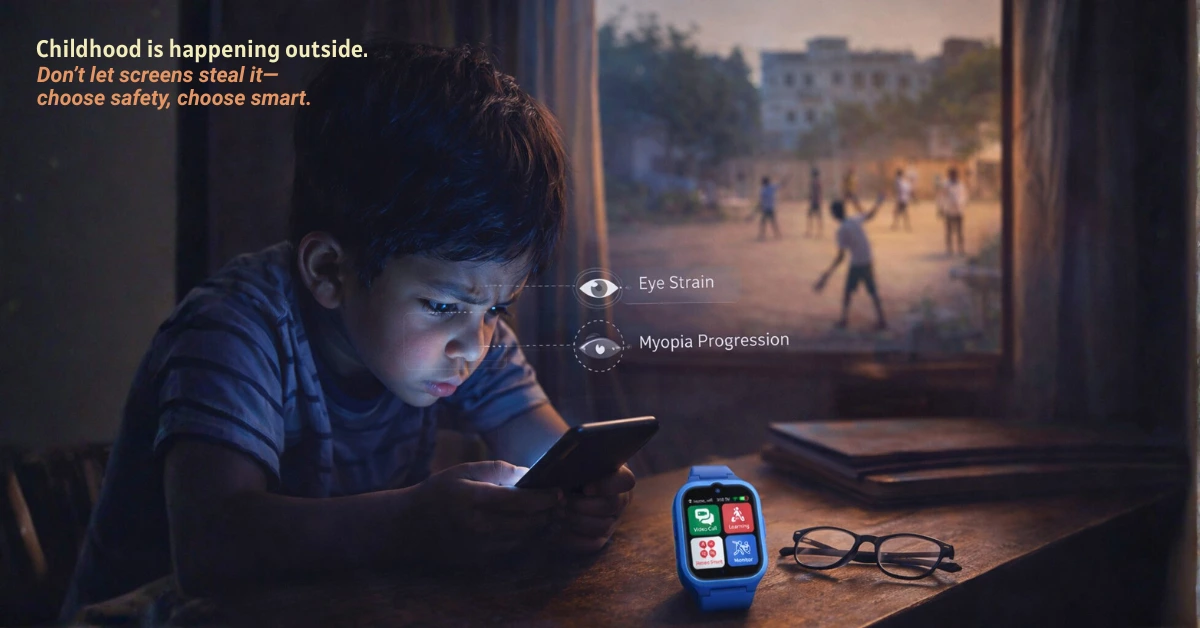
Children today need glasses earlier than ever before, and this shift is no longer seen as normal. The reasons go beyond genetics and are strongly linked to rising smartphone use, prolonged screen exposure, and indoor lifestyles.
Many parents give smartphones for safety and communication, but this often creates unintended health risks, especially for developing eyes.
Recently, CM Yogi Adityanath has also raised concerns about giving smartphones to young children too early, highlighting how serious this issue is becoming.
Why More Children Need Glasses Today Than Ever Before
Over the past decade, eye health in children has changed rapidly. Earlier, children needed glasses mostly in their teenage years.
Today, even 6–10-year-old children are developing vision problems like myopia (short-sightedness). This shift is not random. It is closely linked to lifestyle changes driven by technology.
Children now spend more time indoors, more time on digital devices, and less time engaging in outdoor activities. Smartphones have become part of daily life, used for learning, entertainment, and communication.
This constant near-distance viewing is placing continuous stress on developing eyes.
Parents often notice symptoms like eye strain, headaches, or difficulty seeing distant objects. These are early signs of digital eye strain and myopia progression.
The concern is not just early glasses, but long-term eye health risks if this trend continues without control.
What Research Says About Smartphone Use and Myopia
Screen Time and Myopia Risk
Studies show that children with myopia spend nearly five hours daily on smartphones, compared to four hours for others.
Each additional hour increases risk by about 21%, and extended usage significantly raises the chances of developing vision problems
Global Trends That Cannot Be Ignored
Myopia rates have increased from 25% to over 40% globally. By 2050, nearly half of the children may be affected. This rise aligns with increased digital device usage, especially smartphones, making it a serious public health concern.
What Parents Should Understand
Research shows a strong association, not direct causation. However, prolonged screen exposure, close viewing distance, and reduced outdoor time together create conditions that increase myopia risk significantly in children.
Why Smartphones Are a Bigger Risk Than Other Screens
Close Viewing Distance and Continuous Focus
Smartphones are used very close to the eyes. This forces constant near focus, increasing strain on eye muscles. Over time, this contributes to myopia progression and long-term vision issues in growing children.
High Engagement Means Longer Usage
Smartphones are designed to keep users engaged. Games, videos, and social media create endless scrolling. Children lose track of time, leading to prolonged exposure without breaks, increasing digital eye strain and fatigue.
Lack of Parental Control
Unlike structured activities, smartphone use is often uncontrolled. Children can use devices anytime, anywhere. This lack of monitoring increases screen time, reduces discipline, and exposes children to unhealthy viewing habits.
The Real Problem Is Bigger Than Just Screen Time
Reduced Outdoor Exposure
Outdoor time helps eye development. Natural light and distance viewing reduce myopia risk. Today, children spend less time outside, replacing physical play with digital engagement, which negatively impacts eye health.
Indoor Lifestyle Shift
Modern lifestyles keep children indoors for longer periods. Online learning, gaming, and entertainment happen on screens. This continuous indoor activity limits visual diversity and increases dependence on close-range vision.
Early Device Dependency
Children are introduced to smartphones at a very young age. Devices become tools for entertainment and comfort. This early dependency forms habits that increase long-term exposure and risk of vision problems.
Why Parents Give Smartphones Early and The Hidden Trade-Off
Safety Concerns
Parents give smartphones to stay connected with their children. While communication improves, it introduces prolonged screen exposure, creating a trade-off between safety and eye health.
Convenience and Control
Smartphones act as easy tools to manage children’s time. However, this convenience often leads to overuse, reducing physical activity and increasing dependency on screens.
Educational Needs
Many parents justify smartphone use for learning. While digital learning is useful, uncontrolled usage blends education with entertainment, increasing total screen time beyond healthy limits.
Social Pressure
Children feel the need to have smartphones because peers have them. Parents give in to this pressure, often ignoring long-term health implications.
Lack of Better Alternatives
Most parents believe smartphones are the only way to stay connected. The absence of awareness about safer options leads to decisions that unintentionally affect children’s health.
Read More: Mobile Phone Usage Leading to Children’s Poor Eyesight: Alternatives Parents Must Consider
Is There a Safer Way to Keep Children Connected?
emove technology completely. They want balance. They want their child to stay connected, safe, and reachable without exposing them to unnecessary risks.
This is where the need shifts from “more technology” to “smarter technology.” The focus should be on controlled communication, limited screen exposure, and purpose-driven usage.
A solution should allow calling, tracking, and monitoring, but avoid distractions like games, social media, and continuous scrolling. This balance is essential to protect both safety and health.
Introducing a Smarter Alternative: WachMe Kids Safety Smartwatch
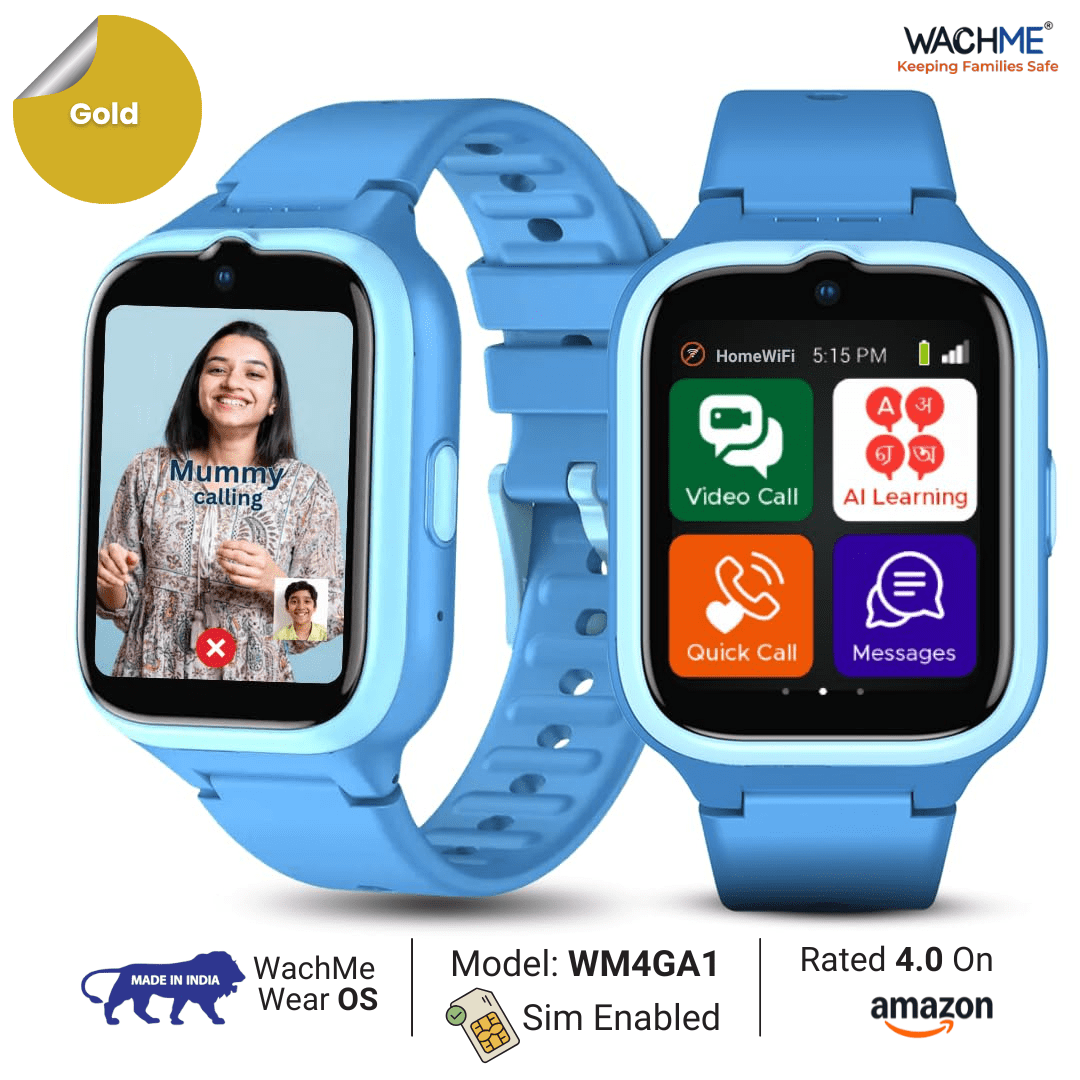
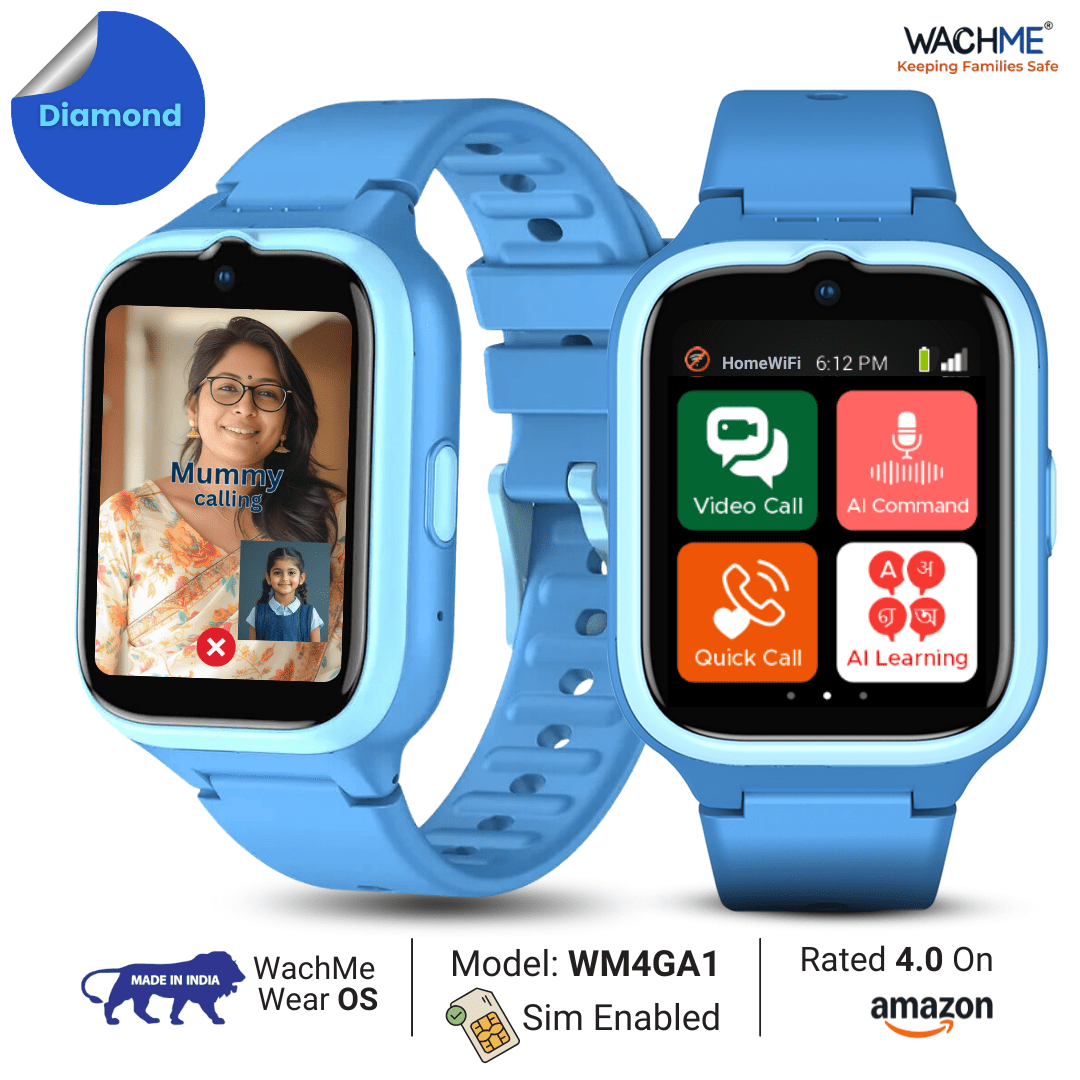
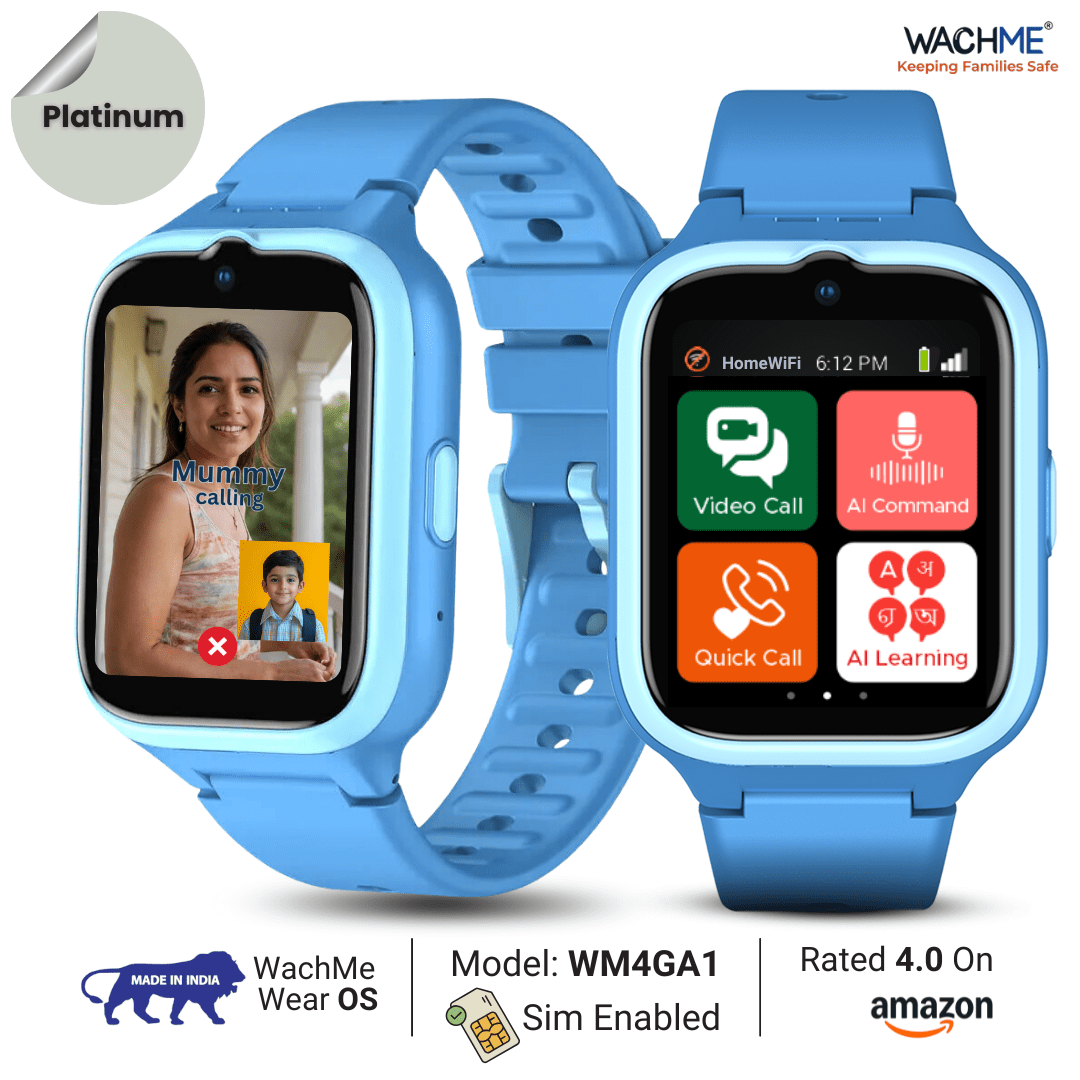
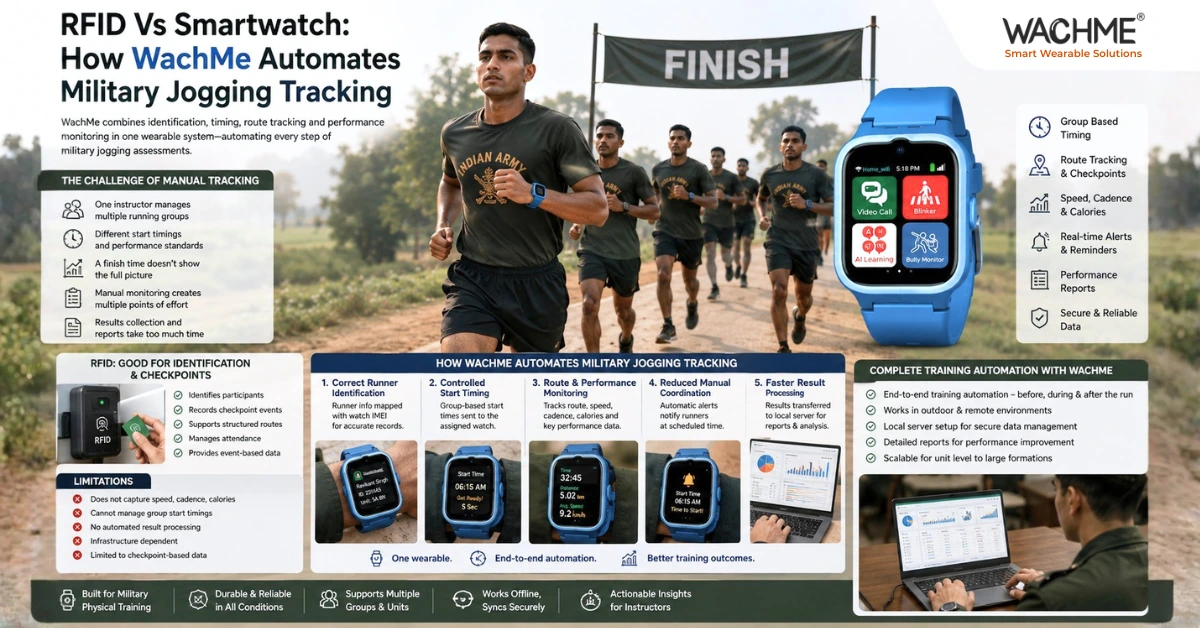
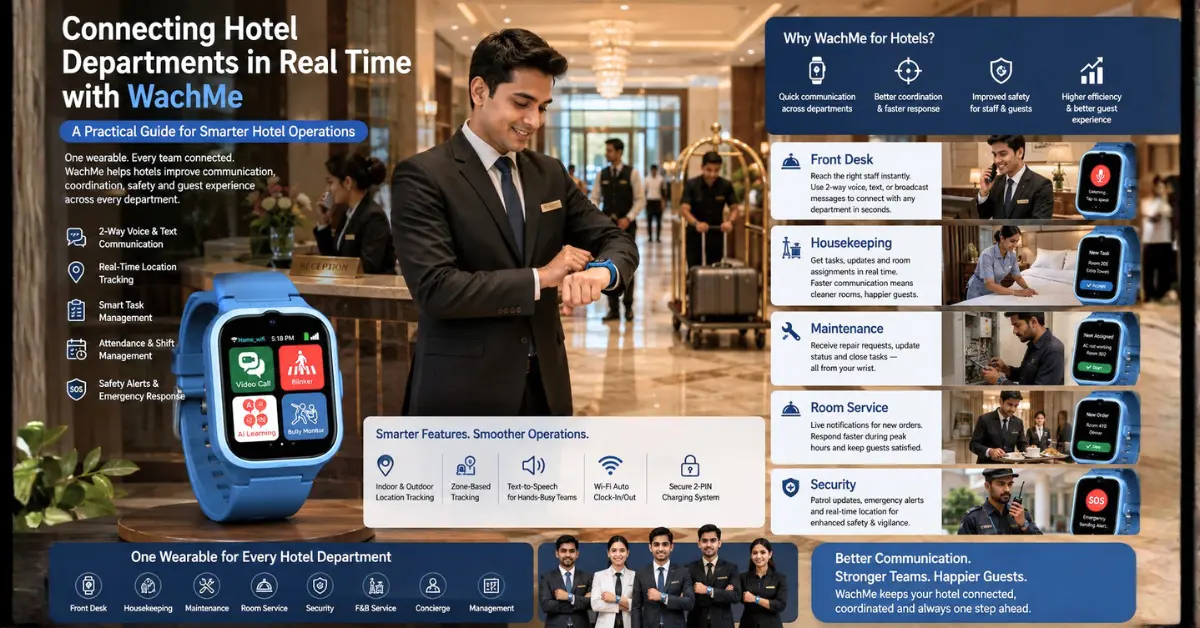
WachMe is designed as a child safety smartwatch, not a distraction device. It provides essential features like calling, location tracking, fall detection, and monitoring without exposing children to excessive screen time.
It works as a smartphone alternative for kids aged 5–17. Children stay connected with parents through voice and video calls, while parents maintain control through a dedicated app.
WachMe focuses on safety, not entertainment. It removes unnecessary exposure while ensuring children are always reachable. This makes it a practical solution for parents concerned about both safety and health.
What Makes WachMe Different from Smartphones
Purpose-Driven Usage
WachMe is built for communication and safety. It does not support endless apps or scrolling, ensuring children use it only when needed.
Controlled Screen Interaction
Unlike smartphones, WachMe limits screen time. This reduces continuous eye strain and prevents unhealthy usage habits in children.
Parent-Controlled Environment
Parents manage settings through an app. They control features, monitor activity, and ensure safe usage without constant supervision.
No Addictive Content
There are no games, reels, or social media. This removes the primary cause of excessive screen engagement and distraction.
Built for Safety First
Features like GPS tracking, fall detection, and route monitoring make WachMe a safety device, not an entertainment gadget.
How WachMe Reduces Screen Exposure Risks
- Eliminates unnecessary screen usage
- Prevents long-duration viewing
- Encourages real-world activity
- Reduces dependency on digital entertainment
- Supports controlled communication
Read More: Best Smartphone Alternatives for Kids in India: WachMe Safety Smartwatch
Smartphone vs WachMe Smartwatch — What’s Better for Your Child?
| Factor |
Smartphone |
WachMe Smartwatch |
| Screen Time |
High and uncontrolled |
Limited and controlled |
| Eye Strain Risk |
High |
Negligible |
| Distraction Level |
Very high |
No Distraction |
| Safety Features |
Basic |
Advanced |
| Parental Control |
Limited |
Strong with parental control app |
| Usage Purpose |
Mixed (entertainment + communication) |
Focused (safety + communication) |
Read More: Smart Phone vs Smartwatch: Which is Better for Kids in India?
Practical Tips for Parents to Protect Their Child’s Eyes
Limit Daily Screen Time
Keep screen usage within safe limits. Avoid long continuous sessions. Encourage breaks to reduce eye strain and support healthy vision development.
Encourage Outdoor Activities
Ensure children spend time outdoors daily. Natural light and distance viewing help reduce myopia risk and improve overall eye health.
Follow Safe Viewing Distance
Teach children to hold screens at a proper distance. Avoid using devices too close to the eyes for extended periods.
Use Purpose-Driven Devices Instead of Smartphones
Choose devices that serve specific needs without distractions. Controlled technology like WachMe reduces unnecessary exposure and supports healthier habits.
Make the Safer Choice for Your Child with Wachme
If your goal is to keep your child safe without exposing them to unnecessary screen risks, it is important to choose the right device. Explore WachMe as a safer alternative designed for both protection and health.
Conclusion
Children wearing glasses early is a clear signal of changing lifestyles driven by excessive smartphone use and screen exposure. Higher screen time is strongly linked to myopia risk. Parents need safety and connection, but without health compromise.
The right approach is not removing technology, but choosing controlled solutions like WachMe that offer safe, purpose-driven connectivity without unnecessary screen exposure.